Originally written in 2022, fully updated on 11th, Feb 2026.

Ever wanted to learn more about the sacral chakra Svadhisthana and how it influences your emotions, creativity, and pleasure?
The Svadhisthana Chakra is the second energy center in the body. It’s located in the lower abdomen just below the navel. In traditional chakra teachings, it’s associated with emotional flow, creative expression, and sexual energy. It also relates to how we connect with ourselves and others.
In this guide, we’ll look at the meaning and symbolism of Svadhisthana. Also learn how to recognize signs of balance and ways it may feel out of sync. You’ll also explore practices for healing and balancing this chakra. These include meditation techniques, yoga poses, crystals, and lifestyle rituals rooted in traditional teachings.
Let’s explore how this powerful energy center can support your emotional and creative journey.
Key Takeaways for Sacral Chakra Svadhisthana
Svadhisthana Chakra: The sacral chakra, is our second energy center. Associated with creativity, emotions, and sexual energy.
Symbolism: Represented by an orange, six-petaled lotus in traditional teachings. Its element is water and the seed mantra is “Vam.”
Location: Lower abdomen, below the navel, near reproductive organs.
Balance vs. Blockage: In chakra philosophy, sacral chakra balance is associated with emotional fluidity and creative flow. Stagnant energy may show as emotional overwhelm, creative blocks, or physical discomfort.
Practices: Common practices include meditation with the Vam mantra, hip-opening yoga poses, and water-based rituals.
Location, Pronunciation & Symbolism
Location: Svadhisthana is located in the lower abdomen, just below the navel, near reproductive organs.
Pronunciation: Svadhisthana is pronounced “sva-dhi-STAH-na.”
Symbolism: Traditionally, this chakra is symbolized as a lotus with six petals in vermilion, a bright red-orange hue that sits between red and orange on the color spectrum. This color has been used in sacred art to convey vitality and energy.
The lotus petals are each inscribed with a Sanskrit syllable. At the center is a white crescent moon, representing the water element and the region presided over by the deity Varuna.
The seed mantra for this chakra is “Vam.”
Including the color orange into meditation or visualization is about zoning in on sacral chakra awareness.. In some spiritual traditions, orange symbolizes energy, vitality, and transformation. Monks in some cultures wear orange as a sign of their dedication, truth, and purity. As it’s also associated with renunciation and the pursuit of higher wisdom.

In many modern yoga and meditation diagrams, this chakra is shown in orange.
Orange reflects its associations with creativity, emotional expression, and vitality. Commonly used in contemporary chakra charts for easier recognition and teachings.
Svadhisthana is part of the subtle energy flow through the chakras.
In many traditional teachings, this chakra is described as an important stage for the movement of kundalini energy through the subtle system.
Some systems associate it with symbolic deities such as Brahma and Saraswati, representing creation, flow, and life-sustaining forces.
Meaning of Svadhisthana
The meaning of Svadhisthana is a Sanskrit word, Sva translates to “self.” While adhisthana means “dwelling place” or “established seat.”
Together, the name is often interpreted as “one’s own abode” or “where the self resides.”
In chakra philosophy, this reflects its connection to personal identity, sensory pleasure, and emotional awareness.
Connection to Emotions, Creativity, and Relationships
In traditional chakra teachings, the sacral chakra is linked to how we experience emotions, creativity, and intimacy in our daily life. As this energy center sits near the reproductive organs, symbolically connected to pleasure, desire, and life-force energy.
Its association with the water element reflects themes of movement and adaptability.
In this framework, Svadhisthana relates to how feelings and ideas change over time. And how we form and maintain emotional connections with others.
When the Sacral Chakra Feels Balanced
Emotional Signs
Ability to feel and process emotions without getting stuck.
Emotional resilience during life transitions.
Comfortable experiencing joy and sadness equally.
Physical Signs
Vitality and energy throughout the day.
Comfort in the lower abdomen and reproductive area.
Healthy digestive function.
Behavioral Signs
Healthy sexual energy and comfort with sensuality.
Ease in starting new projects or pursuing interests.
Comfortable giving and receiving in relationships.
Ways Sacral Energy May Feel Out of Sync
Emotional Signs
Emotional numbness or sudden mood swings.
Fear of change or new experiences.
Difficulty processing feelings.
Physical Signs
Discomfort in the lower abdomen, hips, or lower back pain.
Issues with reproductive organs.
Chronic fatigue or low energy.
Behavioral Signs
Low or absent sexual energy.
Creative stagnation or difficulty starting projects.
Rigid thinking or difficulty adapting.
Codependency or excessive emotional distance.
These patterns are commonly discussed within chakra teachings and practitioner literature.
Healing and Balancing the Svadhisthana Chakra

Here are some practices that are traditionally used to heal, balance, and strengthen the Svadhisthana (Sacral) Chakra. They honor and support this emotional, creative, and sensory energy center.
Meditation Practices

Here are four different practices to try: meditation, visualization, breathwork, or affirmations. Pick one and notice how it feels to explore and engage with this energy center.
Vam Mantra Meditation
Sit comfortably and bring awareness to the lower abdomen.
Visualize an orange, six-petaled lotus spinning gently.
Chant the seed mantra “Vam” (pronounced “vahm”), aloud or silently, for 5–10 minutes.
Visualization
Visualize the lotus opening petal by petal with each breath.
Sense water flowing through the sacral region, gently moving and clearing any stagnant energy.
Breath Work
Practice deep belly breathing.
With each inhale, the lower abdomen expands; with each exhale, tension is released.
Affirmations
Affirmations are normally used to encourage emotional balance, creativity, and relationship awareness. Working with subconscious patterns linked to the sacral chakra energy.

Here are 15 sacral chakra affirmations to get you started:
- I trust my partner and myself
- I trust my intuition to guide me for my best life
- I am confident in all my relationships
- I feel the love and joy all around me
- I feel the love and trust in my relationship
- I am loved and loving towards myself
- I follow my heart and desires
- I take time for myself
- My sexuality is healthy and vibrant
- I flow like water allowing loving energy to enter
- I am alive and healthy
- I accept all of myself just the way I am
- My relationships are built on trust, love and kindness
- I am in control of my life
- I am a passionate and creative person
You may want to change the affirmations to suit your own dialogue. Use your chakra gut feeling when creating emotional statements. Speaking them gently with love and respect.
If you’d like to have access to alot more affirmations, here’s our other blog which has 106 sacral chakra affirmations for energy work.
Yoga Poses

Sacral yoga poses typically target the hips, lower abdomen, and reproductive organs area. Reflecting the sacral chakra Svadhisthana location.
Here’s a few of many poses and movements that honor and support this energy center.
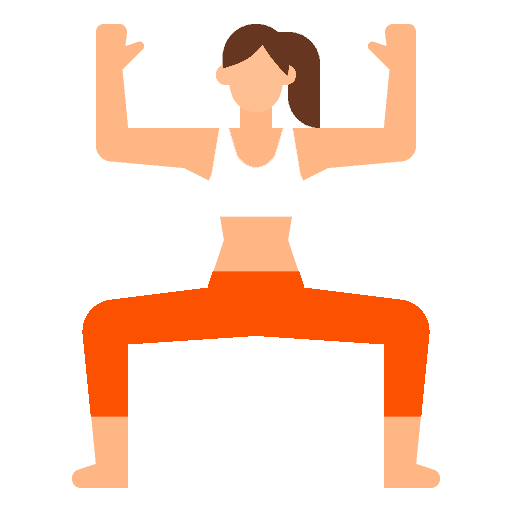 Goddess pose ( Utkata Konasana) The Goddess pose is about helping the flow of prana to the reproductive organs, improving their function.
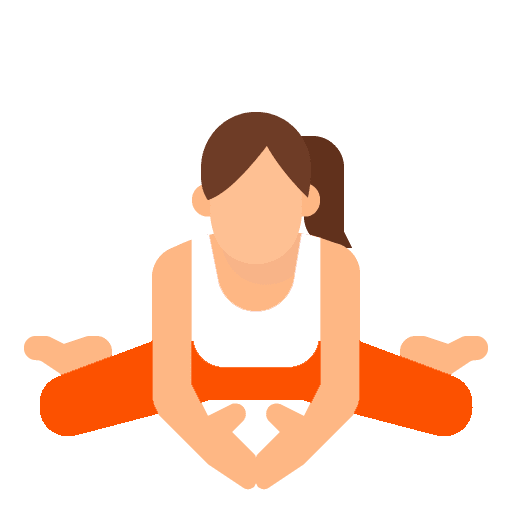 Frog pose (Mandukasana) This pose is great for the second chakra, as it helps with flexibility and fluidity. Both associated with the water element.
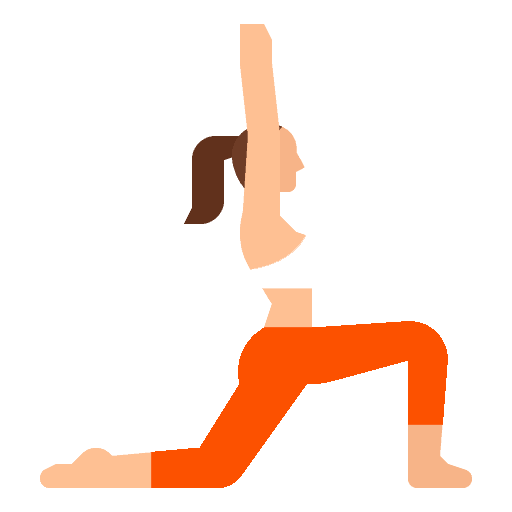 Low Lung pose (Anjaneyasana) The low lung pose helps stimulate the second chakra. Enhancing creativity and emotional balance.
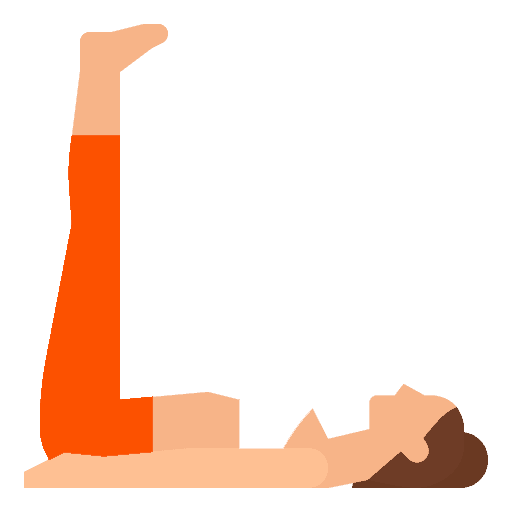 Legs up the wall pose (Viparita Karani) It’s more of an “inverted” pose. One in which the posture is simplified enough to feel revitalized in body and mind.
 Child pose (Balasana) The spiritual meaning of child pose is about connecting with our inner child. This pose symbolizes feeling safe within the womb.
Accepting and surrendering to change in experiencing the outside world. Child pose can be a very grounding pose for some.
Hip Openers
Pigeon Pose (Eka Pada Rajakapotasana)
Bound Angle Pose (Baddha Konasana)
Goddess Pose (Utkata Konasana)
Lizard Pose (Utthan Pristhasana)
Low Lunge Pose (Anjaneyasana)
Frog Pose (Mandukasana)
Flowing Movement
Cat-Cow Pose (Marjaryasana-Bitilasana)
Pelvic Circles (seated or standing)
Cobra Pose (Bhujangasana)
Seated Forward Fold (Paschimottanasana)
Restorative
Reclined Bound Angle Pose (Supta Baddha Konasana)
Child’s Pose (Balasana)
Legs Up the Wall Pose (Viparita Karani)
🧘 Supportive Yoga Tools
Simple tools such as guided yoga mats or pose cards can offer helpful structure with visual references when exploring movement and postures during practice.
Crystals and Essential Oils
Crystals
Crystals such as carnelian, orange calcite, and moonstone are traditionally associated with the sacral chakra.
They can be placed near the lower abdomen, carried during meditation. Or kept in a personal space to focus attention on this energy center.
Here’s a link with a dedicated blog all about sacral chakra crystals. Packed with helpful insights just for you.


Essential Oils
Aromatic oils like sweet orange, ylang ylang, and sandalwood are linked to the sacral chakra.
Essential oils can be used in diffusers or oil burners during meditation. Some even create a blend with carrier oils for gentle lower-abdomen massage. It’s about bringing mindful attention to this area.
Supportive Tools for Sacral Chakra Practice
These carefully selected items include crystals, candles, and aromatherapy blends.
They help create a calm and inviting atmosphere for meditation and reflection.
Lifestyle Practices

🌊 Water Rituals
Spend time near water to invite flow and calm.
Warm baths with a few drops of orange essential oil, swimming, or sitting by a river or lake can be grounding.
Notice the gentle movement of water around the body.

🎨 Creative Expression
Dedicate 15–30 minutes a day to activities that spark creativity. Journaling, painting, dancing, cooking, or music.
Allow the mind to explore ideas freely. Engage with the colors, textures, sounds, and motions as they unfold.

💃 Hip Movement
Gently awaken energy in the lower abdomen with hip movements.
Try fun things like, belly dancing, hula hooping, or figure-eight motions for a few minutes.
Enough to help loosen tension and stimulate flow. Feel the stretch and rhythm in each motion.

💭 Emotional Processing
Allow emotions to move through mindful expression.
Journaling, crying, laughing, or physical movement helps release tension. Bringing mindful awareness to emotional patterns.
Observe how the body responds as feelings shift.

👂 Sensory Pleasure
Engage the senses intentionally throughout the day.
Savor flavors while eating mindfully.
Wear fabrics that feel good on the skin. Or light scented candles.
Observing these sensations invites presence and awareness of the body and emotions.
Fun Facts about Svadhisthana Chakra

🟠Orange Frequency
When you see or wear orange, can you sense a spark of energy or creativity stirring within?
This vibrant shade resonates with the sacral chakra, associated with warmth, vitality, and expressive energy.

💧 Flowing Energy
How do your emotions and ideas move throughout the day?
Water reflects the sacral chakra’s energy.
It shifts, adapts, and refreshes us. Reminding us that emotional and creative flow is natural.

🌙 Moon Connection
How do the moon phases affect your own rhythms?
Some practitioners link the sacral chakra to the new and full moons.
It’s a great time to set new intentions or release what no longer serves us.
Could aligning with these cycles deepen awareness of your energy?
Connection to Other Chakras and Energy Flow
Svadhisthana sits between the Muladhara (root chakra) and Manipura (solar plexus chakra).
Have you noticed how energy can feel different in the lower abdomen compared to the upper body?
In traditional teachings, this chakra is seen as a stage where basic survival energy begins to transform into emotional and creative expression.
Paying mindful attention helps awareness of how energy moves through the subtle body fields.
FAQs for Svadhisthana Chakra
What is the Svadhisthana Chakra?
The second energy center in yogic philosophy, near the lower abdomen and reproductive organs. Associated with creativity, emotions, sexual energy, and pleasure. Seed mantra: “Vam.” Element: water.
How do I know if my sacral chakra Svadhisthana is balanced?
Emotional flow, creative expression, and comfort with pleasure indicate balance. Stagnant energy may show as emotional numbness, creative blocks, or even physical discomfort.
Can meditation really help heal the Svadhisthana Chakra?
Meditation, particularly using the Vam mantra and visualizing the orange lotus, is a traditional practice. Many also combine it with yoga, creative expression, or water rituals.
Final Reflections for Svadhisthana Chakra
Exploring the Svadhisthana Chakra can bring awareness to emotions, creativity, and the rhythms of daily life.
Simple practices like meditation, visualization, breathwork, or affirmations help with balance and support emotional and creative flow.
I appreciate sharing this space with you- Thank you!
Curious about the other chakra energy centers? Here are links to explore each one: