
Written on 14th January, 2022. Updated on 5th November, 2026.

Looking for a gift for someone who enjoys their meditation practice? Or maybe someone who’s just starting out?
Here are 11 meditation gifts to inspire a more mindful way of living, whether you’re shopping for a loved one or treating yourself.
There’s something for different interests and experience levels, from comfortable cushions to ambient lighting. These little touches can help create a peaceful Zen sanctuary at home, somewhere to settle into peace and calm and let go of the day.
We’ve also included a free guided video for meditating. Share it with someone who could use a moment of calm, or follow along yourself for a peaceful start to the day.
Key Takeaways
11 thoughtful gift ideas, from ambient lighting and comfortable cushions to practical mindfulness tools.
Options for different budgets, from chakra candles and journals to higher-priced choices like singing bowls.
Something for different interests, whether shopping for beginners, experienced meditators or someone setting up their personal Zen corner at home.
A free guided video for meditating to share with someone special or enjoy yourself.
Meditation Gifts by Budget
Budget Category | Gift Ideas |
Budget-friendly finds | Incense, mindfulness cards, eye pillows, smaller crystals, simple candles and journals |
Gifts worth spending a little more on | Singing bowls, comfortable cushion sets, larger crystal sets, handcrafted mala beads and aromatherapy diffusers |
Prices vary depending on materials, size and craftsmanship. These are general guides to help you browse.
What Makes a Good Meditation Gift?
A meaningful present is more than just a nice item. It’s something chosen with care that reflects the person’s interests and invites a little comfort, reflection or intentional time for themselves.
And it doesn’t have to be big or expensive. A candle might suit someone who enjoys soft lighting, while a journal offers space for personal thoughts and reflections. For someone who meditates regularly, a supportive cushion may be a more practical choice.
What matters most is choosing something they’ll genuinely enjoy using.
Best Meditation Gifts - 11 Ideas To Inspire You!
Each idea includes who it might suit, what to consider before buying and a few lovely options to browse.
This makes it easier to compare different styles and find something special for someone you care about — even if it’s for you!
1. Himalayan Salt Lamps for Soft Ambient Lighting

Himalayan salt lamps are popular for their soft, warm glow. They’re a lovely addition to a meditative space, especially for someone who enjoys gentle lighting during practice.
Made from natural rock salt, each lamp has its own shape, colour and character. There’s something special about bringing a little piece of the earth’s history into the home.
Best suited for: Anyone who enjoys ambient lighting during their practice or while relaxing at home.
Things to consider when choosing a Himalayan salt lamp:
Choose a size that suits the space. Smaller lamps work well on desks, shelves or bedside tables.
Check the base is sturdy and the electrical fittings are suitable for where the lamp will be used.
Keep it away from moisture. Salt naturally absorbs humidity and can sometimes “sweat.”
Protect the furniture. A small tray or protective mat can catch any moisture. Follow the manufacturer’s care instructions, especially when the lamp is switched off for days on end.
Love the idea of giving someone a Himalayan salt lamp? Here’s a nice variety of hand selected shapes and designs for you browse through. This includes bowl-shaped styles and natural salt lamps with adjustable brightness levels.
2. Supportive Cushions When Meditating
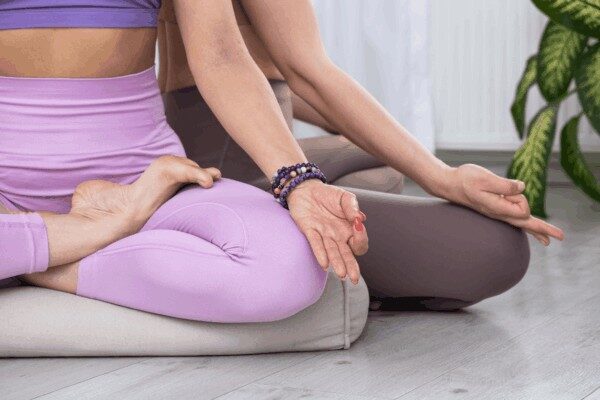
A good cushion isn’t just about comfort or looks. It provides support for sitting comfortably, making it easier to settle into a session.
When sitting becomes uncomfortable, it’s easy to lose concentration. A supportive cushion can help with posture and ease pressure on certain areas of the body. This can be helpful during longer sessions and breathwork.
Some cushion sets include a zabuton mat along with a zafu pillow. The zafu provides a raised seat, while the zabuton adds cushioning beneath the knees and ankles. Together, they make a thoughtful gift for beginners and experienced meditators alike.
Best suited for: Anyone who enjoys longer sessions of seated meditation practice. Or anyone who prefers extra comfort and support.
Things to consider when choosing a cushion:
Look for supportive, comfortable filling. Buckwheat hulls are a popular option because they can be adjusted to suit different sitting preferences.
Consider the height and width. Cushion height can affect how the hips and knees are positioned. While width determines how much sitting space there is. Our guide to choosing meditation cushions explains different styles and what to look for.
Choose a washable cover for easy care and to help keep the cushion looking nice.
A well-chosen cushion doesn’t have to be used only for meditating. It can also make a cosy reading spot, an extra floor seat or even a comfortable footrest.
For a closer look at different shapes and support options, visit our seating and furniture roundup. It also covers alternatives such as a meditation bench for someone who prefers kneeling.
Not sure which style would suit them best? Think about how they prefer to sit and what would make their session more comfortable. Here’s a good variety to choose from, including traditional cushions, supportive mat sets and chairs.
3. Candles for Meditation Practice
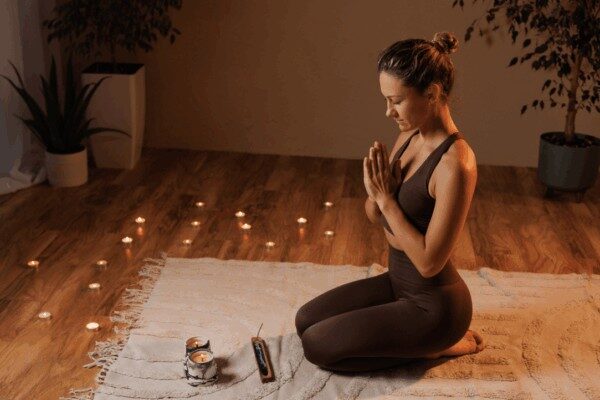
Candles help create a peaceful and spiritual atmosphere during meditating. Their gentle glow can also provide a visual point of focus.
Many candles feature fragrances such as lavender, sandalwood or frankincense. Paired with soft candlelight, these scents can add a sensory element to a meditation space.
If choosing scented candles, consider the person’s fragrance preferences. A subtle scent may be more enjoyable than something overpowering, especially in a smaller space.
Best suited for: Anyone who enjoys creating a calming atmosphere or adding a little ritual to their practice.
Things to consider when choosing a candle:
Choose a quality wax, such as soy or beeswax, and check the ingredients if the person has particular preferences.
Consider the fragrance. Lavender, sandalwood and frankincense are popular choices, also unscented candles are equally lovely.
Chakra candles are another beautiful option. Their colours are traditionally associated with different energy centres and can complement personal intention-setting rituals.
Look for reusable or refillable jars for a more practical and thoughtful choice.
Decorative designs can also add a nice touch to a shelf or personal space, even when the candle isn’t lit.
Remember to place burning candles on a heat-resistant surface, away from anything flammable, and never leave them unattended.
For more ideas on choosing fragrances, our guide to the best candle scents for meditating explores different scents and their traditional associations.
Which would suit their style? Perhaps colourful chakra candles, a selection of different fragrances or something special for personal rituals. Here’s three choices to offer you some inspiration:
4. How Do You Choose Crystals for Someone Who Meditates?

Choosing crystals for someone who meditates comes down to their interests and personal preferences. They might enjoy energy work, intention-setting rituals or simply appreciate the beauty of natural stones.
Crystals have been used for centuries in spiritual and meditative practices. They can be held as a point of focus, placed nearby during a quiet session or displayed around the home.
Some people choose particular stones for their traditional meanings, while others enjoy their colours, shapes and textures.
Themed collections are another lovely option. A chakra crystal set or a selection of gemstones traditionally associated with emotional balance and clarity could make a thoughtful present.
Best suited for: Anyone drawn to energy work, intention-setting or the natural beauty of gemstones.
Things to consider when choosing a set:
Choose stones with personal meaning. For example, rose quartz is traditionally associated with love, while clear quartz is often linked with clarity and intention.
Look for a small guide or intention card in a crystal kit. These can be especially helpful for someone just beginning to explore different stones and their traditional meanings.
Consider raw or tumbled stones. Raw pieces have a natural, textured appearance, while tumbled stones feel smooth and comfortable to hold.
Check the presentation. A small pouch, wooden box or attractive package makes the present feel more special.
An abundance-inspired set might appeal to someone who enjoys setting personal intentions, while a mixed starter kit offers a chance to discover different stones.
5. Journals for Mindful Reflection

A mindfulness journal provides a personal space to record thoughts, feelings and experiences.
It can be used after meditating to reflect on a session, set intentions or write down insights. Looking back over earlier entries can also be a meaningful way to see how far they’ve come.
Best suited for: Anyone who enjoys writing, self-reflection or exploring personal intentions.
Things to consider when choosing a journal:
Look for guided prompts. Questions about gratitude, emotions or daily experiences can help someone who isn’t sure what to write.
Consider blank or lined pages. These suit someone who prefers writing freely without following a set structure.
Choose an appealing design. A cover or layout that suits their taste can make it feel more personal, especially if they use it as part of their meditation book.
Think about size and portability. Smaller journals are handy for yoga classes, retreats or writing outdoors.
Check for useful extras. Bookmarks, intention-setting pages or vision boards may appeal to someone who enjoys the little extras that come with a book.
Consider an undated journal. It allows the recipient to write whenever they wish, without following a daily schedule.
For someone who enjoys guided reflection, a journal with writing prompts could be a good choice. An intention planner or self-love journal offers a different focus, depending on their interests.
6. Aromatherapy Diffusers and Essential Oil Blends

An essential oil diffuser disperses fragrance into a room, while a traditional oil burner uses warmth to release scent. Both can be enjoyed during meditation or just unwinding at home.
Lavender is often chosen for unwinding, while eucalyptus has a fresh, herbal aroma. Citrus blends offer a brighter, zesty fragrance.
Using a favourite scent during a session can also become part of a familiar personal ritual.
Best suited for: Anyone who enjoys aromatherapy, home fragrances or using scent during quiet moments.
Things to consider when choosing a diffuser or burner:
Electric diffusers are convenient, with some featuring timers, adjustable mist settings and soft lighting.
Tealight oil burners use candlelight to warm the fragrance. Always follow the manufacturer’s instructions and never leave a burning tealight unattended.
Consider fragrance preferences. Choose scents the person already enjoys, and be mindful of any sensitivities.
Think about design and style. Glass diffusers and ceramic burners come in different shapes and sizes to suit the home.
Check what’s included. Some sets come with essential oils, while others require separate purchases. Check which oils are suitable for the device.
A glass diffuser might suit someone who enjoys decorative home accessories. A diffuser and oil set is a practical choice for someone starting out. While a collection of essential oil blends offers more variety for someone who already owns one.
7. Singing Bowls, Chimes and Bells for Mindful Moments

Singing bowls, chimes and bells produce distinctive tones that can be used as a focus while meditating. They’re also useful for marking the beginning or end of a session.
In sound healing and spiritual practices, these instruments are used in rituals associated with relaxation, intention-setting and symbolic energy clearing.
Best suited for: Anyone who enjoys sound-based practices, traditional instruments or incorporating sound into personal rituals.
Things to consider when choosing an instrument:
Singing bowls come in metal and crystal quartz varieties. Metal bowls often produce rich, layered tones, while quartz bowls are known for their clear, sustained sound. Chakra-themed sets may appeal to someone interested in energy work.
Chimes, such as Koshi or Zaphir, produce gentle, melodic sounds. They can be played during a session or used to signal a moment of stillness.
Explore different bells. A Japanese rin bell usually rests on a cushion and is struck at its rim. An inkin bell is handheld and traditionally used in Zen ceremonies to signal transitions.
Consider size and tone. Larger singing bowls often produce deeper sounds, while smaller ones tend to have higher, brighter notes.
Look for useful accessories. A cushion, striker or carrying case can make an instrument easier to use and store.
Think about design and meaning. Some instruments feature traditional symbols or decorative patterns, while others have a simple finish.
For someone who enjoys deep, lingering tones, a singing bowl could be a good choice. Chimes offer softer, melodic sounds, while a traditional bell may appeal to someone who likes marking the beginning and end of their practice.
8. Mala Beads for Mantras, Focus and Spiritual Practice

Mala beads are traditionally used to count mantras and prayers. They’re also used for counting breaths or affirmations in modern practices. Moving from one bead to the next helps create rhythm and focus during a session.
A full mala usually has 108 counting beads, a sacred number in traditions such as Buddhism and Hinduism. Many also feature a larger guru bead, which marks the beginning and end of a round but isn’t counted. Some designs include a tassel.
If you’d like to explore their symbolism and how to use them, our guide to mala beads meaning covers this in more detail.
Best suited for: Anyone interested in mantra practice, spiritual rituals or using beads to maintain focus and intention.
Things to consider when choosing mala beads:
Choose materials with meaning. Amethyst is often associated with calm, rose quartz with love and lava stone with grounding in modern crystal practices. Sandalwood and rudraksha seeds also have spiritual significance in certain Hindu and Buddhist traditions.
Wrist or full mala? Full malas are suited to longer counting practices and can often be worn as necklaces. Wrist malas may have 21 or 27 beads, making them convenient for shorter sessions or carrying throughout the day.
Check the craftsmanship. Look for secure knots, strong cord and smoothly finished beads. A storage pouch or information card can also be useful.
Consider personal style. Designs range from simple wooden beads to gemstones with spacers, tassels or decorative accents. Choose materials and colours that suit the persons interests.
For someone interested in traditional prayer or mantra practices, sandalwood or rudraksha beads may be a good choice. Gemstone designs offer another option for those who enjoy crystal healing symbolism.
Here are a few different styles to compare.
9. Incense and Smudging for Clearing Rituals

Incense adds fragrance to a room, while smoke-clearing materials are used in certain spiritual traditions to symbolically cleanse a space or set intentions.
Both can be part of preparing for a session, or used during the session.
Best suited for: Anyone who enjoys incense, spiritual rituals or using fragrance as part of their practice.
Things to consider when choosing incense or smudging tools:
Explore different types of incense. Sticks are convenient and usually need a simple holder. Cones burn on a suitable heatproof surface, while resin incense is traditionally heated over charcoal in a specially designed burner.
Choose scents with meaning. Sandalwood is traditionally associated with calm and grounding. While frankincense is used in various spiritual rituals. Nag Champa is another popular fragrance with a distinctive scent.
Consider cultural traditions. White sage and cedar are used in certain Indigenous cleansing ceremonies, while palo santo has its own traditional uses in South America. Respectful sourcing and the recipient’s familiarity with these practices are worth considering.
Check what’s included in a kit. Some contain incense or herbs, a suitable heatproof holder. Others can include accessories such as a feather or fan for directing smoke.
Look at the packaging. A storage box, scent guide or instructions can be useful, especially for someone exploring different incense varieties.
Since incense and burning herbs produce smoke, good ventilation is important. Always use a suitable heatproof holder and never leave burning materials unattended.
For someone exploring different fragrances, an incense variety pack offers a choice of scents. A ready-made ritual kit may better suit someone already familiar with smoke-cleansing practices.
10. Eye Pillows, Masks and Blankets for Lying-Down Sessions

Eye pillows help block out light and reduce visual distractions during lying-down practices, body scans or rest. Some also provide gentle weight or a subtle fragrance.
A soft meditation blanket adds warmth while lying still, while a yoga mat provides cushioning on hard floors. Both can make practices such as yoga nidra or guided sessions more comfortable.
Best suited for: Anyone who prefers meditating lying down or appreciates extra comfort during their sessions.
Things to consider when choosing:
Check the filling. Eye pillows often contain flaxseed or rice for gentle weight. Some also include dried lavender or chamomile for fragrance.
Consider the fabric. Cotton and silk offer different textures against the skin. For blocking light, choose a fabric that’s thick enough or a darker color to block light.
Look at adjustable eye masks. Elasticated or adjustable straps help keep the mask in place, making them practical for sleep.
Check heating and cooling options. Some eye pillows can be warmed or chilled for added comfort. Always follow the manufacturer’s instructions.
Choose practical materials and sizes. A washable blanket is useful at home, while a thicker yoga mat cushions the body against hard floors. Compact eye pillows and lightweight mats are easier to carry to classes or take on holiday.
For someone who enjoys listening to guided audio, a Bluetooth eye mask might be a practical choice. A lavender-filled eye pillow offers a scented alternative. While a blanket or mat may better suit someone who wants extra comfort when lying down.
11. Chakra and Self-Reflection Cards for Meditators
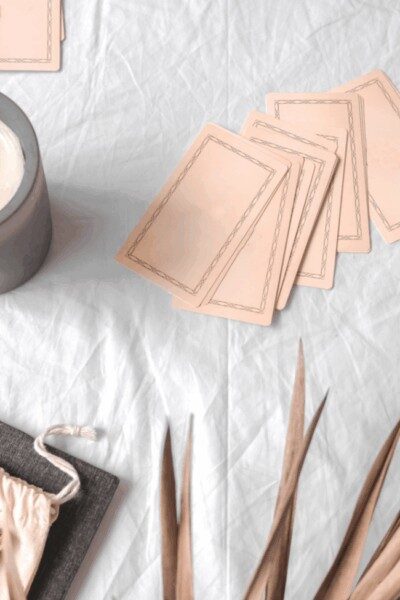
Mindfulness cards offer simple prompts for breathwork, reflection and setting personal intentions. Depending on the deck, they may include affirmations, mantras, breathing exercises or questions for self-reflection.
Someone might draw a card in the morning, before meditating or whenever they want to pause and refocus during the day.
Best suited for: Anyone who enjoys short, guided moments of reflection or likes having a prompt to focus on.
Things to consider when choosing a set:
Choose a theme that suits their interests. Some decks focus on breathing or gratitude, while others feature affirmations, spiritual mantras or chakra symbolism.
Check the card quality and instructions. Clear, easy-to-follow prompts are helpful for beginners. Sturdy cards and a protective box or pouch also make the deck easier to store or carry.
Would they prefer a variety of everyday prompts or cards centred on chakra symbolism and affirmations? Here are two different sets to consider.
Pair Your Gift with a Free Guided Morning Practice
Found the perfect gift now?
Why not share our free guided video session, Intentional Living Meditation. A nice way to start the day with a little peace and calm. Setting the tone for your day with Positive Zen Energy.

FAQ: Meditation Gifts
What's a good meditation gift for a beginner?
A supportive cushion, candle or set of mindfulness cards makes a practical starting point. Cushions offer comfort, candles provide gentle lighting, and cards give beginners simple prompts to follow.
How much should I spend on a meditation gift?
There’s something for most budgets. Candles, incense and journals are generally affordable choices, while singing bowls and gemstone collections tend to cost a little more. This really , depends on size, materials and craftsmanship.
What's a good meditation gift for someone who already has everything?
Consider something they can replenish, such as their favourite incense or smudging sticks. A scented eye pillow or ritual kit is another option.
Alternatively, a gift card to their favourite wellness store lets them choose something they’ll genuinely use.
Are these gifts only for people who meditate?
Not at all! Candles and natural stones can also appeal to yoga lovers or anyone who enjoys decorating their home. Journals are useful for personal reflection, while diffusers suit those who enjoy home fragrances.
Final Thoughts on Choosing a Mindful Gift
When you’re shopping for someone who meditates, look for gifts that fit their everyday routine and what they genuinely enjoy. A supportive cushion, favourite scent or spiritual keepsake can make a thoughtful choice.
It might even be the perfect addition to their own little meditation oasis at home.
For someone looking to deepen their routine, our guides to mindfulness practice and different meditative styles offer fresh ideas to explore. Our guide to meditation tools also covers practical accessories for a more comfortable experience.
We hope these 11 ideas inspired you in finding something special they’ll genuinely enjoy using.