Originally written on 22nd June, 2022. Updated on 11th August, 2026.
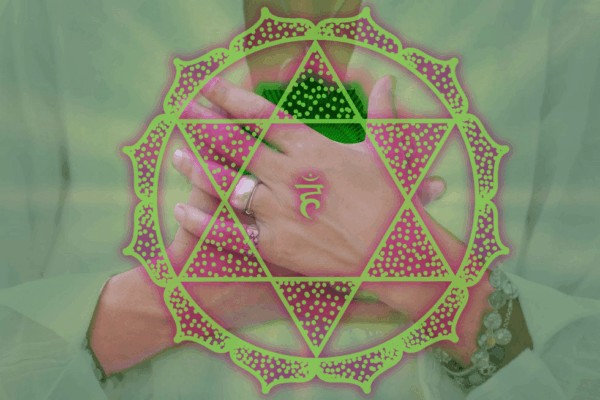
Peace, joy, and love flow more easily when the heart chakra feels open and connected. This post explores how to balance this chakra through heart-centered energy healing. It includes simple tips and techniques you can start using right away.
This holistic approach covers crystals, yoga poses, and affirmations. Plus other easy ways to support heart chakra energy healing. Let’s get started!
Key Takeaways
The heart chakra, or Anahata, is connected to love, compassion, forgiveness, and emotional balance.
Blocked heart chakra energy may show up as feelings of grief, disconnection, or difficulty trusting.
Mindfulness, meditation, yoga, gratitude, journaling, crystals, and affirmations are commonly used to support heart chakra energy.
Relationships and self-love both play a role in heart chakra balance.
Small, consistent practices are a gentle place to start, whatever that looks like for you.
What Is the Heart Chakra?
Known as Anahata in Sanskrit, the heart chakra sits fourth among the seven main energy centers in the body. Positioned at the center of the chest, it acts as a bridge. It links the lower, body-focused chakras with the upper chakras tied to communication, intuition, and awareness.
Each chakra helps us connect with different aspects of our lives and the world around us. In yogic and Ayurvedic traditions, the chakras are considered part of the subtle body. This is an energetic layer said to exist alongside the physical one.
As the fourth chakra in the system, Anahata is often described as playing a bridging role between body and spirit. For a deeper look at this chakra, yogaeasy.com’s guide to Anahata is a helpful companion read.
Where Is the Heart Chakra Located?
The heart chakra is found in the center of the chest, near the breastbone. Some traditions also connect it to the area between the shoulder blades and the upper spine.
This space can be found by placing one or both hands over the middle of the chest. Notice warmth, pressure, or simply the natural rise and fall of the breath. The practice is about bringing gentle attention to this part of the body.
What Is the Heart Chakra Associated With?
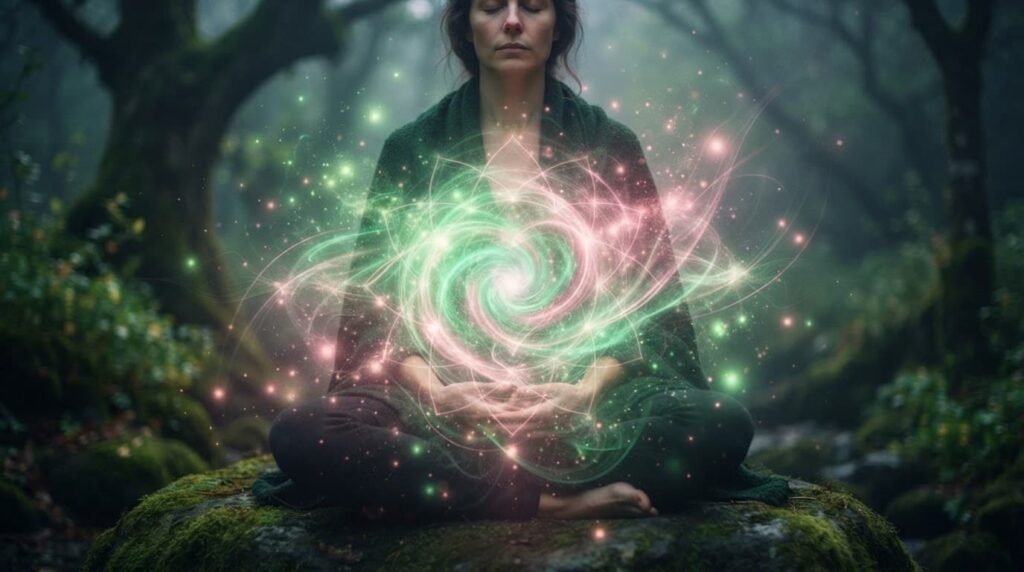
This chakra is associated with the element of air, and with two colors. Green and pink — each carrying its own meaning.
Green follows the classic rainbow-order chakra system. It’s often linked with balance, harmony, and a fresh start. Much like nature turning green during regrowth. This strong association is part of why the heart chakra is sometimes called the green chakra.
During meditation, a soft green light spreading across the chest can be a helpful visualization. A reminder to make room for patience and restoration.
Pink reflects the heart chakra’s connection to love, both for ourselves and others. It’s often linked with tenderness, gentleness, unconditional love, and affection.
It offers a softer counterpart to green’s sense of balance and healing. This is also why certain pink crystals are commonly used to support the heart chakra, linked with love, forgiveness, and emotional healing.
Some energy work combines both colors. For example: pink and green crystals together, or pink flowers alongside green candles.
Why Is the Heart Chakra Important?
The heart chakra is important as it shapes how we move through everyday life. When we feel guarded, it can be harder to accept love, trust others, or feel at ease with ourselves.
Working with this part of ourselves is an invitation to pause and check in with compassion and empathy. Both for others and for ourselves.
Sometimes that means opening up. Other times, it means resting or protecting our peace.
Heart-centered healing isn’t about pleasing everyone. It’s about building a more honest relationship with ourselves and the people around us.
How Does Blocked Heart Chakra Energy Show Up?
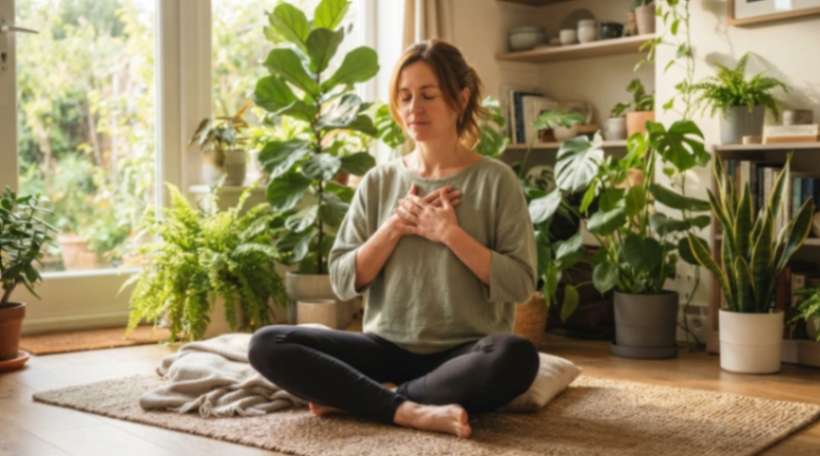
In chakra traditions, blocked heart chakra energy is often described as a time when connection, trust, compassion, or self-love may feel more tender or complicated.
These can be subtle signs our energy is asking for a little more self-care and attention.
Emotional & Energetic Signs
Within chakra practices, certain emotional and energetic experiences are sometimes associated with the heart chakra. These may include:
- A sense of disconnection from others or the world around us
- Lingering feelings of grief following a loss or unrequited love
- Feeling emotionally drained, taken for granted, or unappreciated in relationships
- A sense that something is missing or that life feels less fulfilling than expected
These experiences can have many different causes and are a normal part of life at different times. Within chakra practices, they can simply offer an opportunity to reflect on connection, relationships, self-care, and emotional wellbeing.
Thoughts That May Show Up
These experiences can sometimes be accompanied by certain thoughts or patterns of thinking. They may look different for everyone, but might include:
- “It’s safer to keep people at a distance.”
- “I have to earn love by taking care of everyone else.”
- “It’s easier to handle everything on my own.”
“I don’t want to get hurt again.” - “I need to know that everything is okay between us.”
Sometimes, the mind responds to difficult experiences by becoming more cautious or protective.
For example: Picture the heart center like a door. When past experiences have felt painful or unsafe, it can feel natural to keep that door more firmly closed.
While this can create a sense of protection, it can also make it harder to experience closeness, comfort, and connection.
Heart Chakra Energy Themes
In chakra traditions, some heart chakra energy themes can include:
- Fear
- Anxiety
- Anger
- Jealousy
- Stress
- Grief
What Balancing the Heart Chakra Might Look Like
In chakra practices, balancing the heart chakra is often associated with creating more space around emotional experiences. It may involve exploring past hurts and becoming more open to giving and receiving love.
Emotional Wellbeing
Heart chakra practices can encourage emotional openness and self-compassion.
- Grief, anger, and disappointment may still surface.
- Difficult feelings don’t have to be pushed away.
- There can be more space to notice feelings before reacting.
- Self-talk can become gentler and more supportive.
Instead of “I should be over this by now,” the question might become, “What do I need to feel supported today?”
In Relationships
Heart chakra practices often centre around connection, compassion, and healthy boundaries.
- Listening without becoming defensive.
- Expressing needs clearly and honestly.
- Allowing others to offer care and support.
- Giving and receiving affection without keeping score.
- Recognising another person’s pain without taking it on as our own.
- Keeping compassion and boundaries side by side.
An open heart doesn’t mean saying yes to everything.
Self-love is part of this too. Our own needs matter. They are not an inconvenience.
Navigating Hard Moments
Navigating hard moments can bring up some strong emotions. Heart chakra practices can offer a way to pause and respond with more awareness.
- Notice anger, hurt, or tension as it arises.
- Take a few slow, steady breaths.
- Create space between the feeling and the response.
- Consider what feels supportive before taking action.
This isn’t about skipping difficult feelings. It’s about making room for them without letting them take over.
Spiritual Practice
Heart chakra work can also become part of a personal spiritual practice.
- Gratitude can bring attention to small moments of appreciation.
- Time in nature can create space to reconnect.
- Kindness can become a simple everyday practice.
- Slow breathing, gentle yoga, and meditation can support a sense of calm and grounding.
There doesn’t need to be a perfect feeling of peace. Heart chakra practices can be explored through small, ordinary moments of connection.
How to Balance the Heart Chakra
There are several practices traditionally used to explore and balance the heart chakra. Many can also be used as part of a broader energy practice. Yoga and meditation, for example, can bring together breath, movement, and mindful attention.
Here are 10 simple ways to begin.
1. Practice Mindfulness
Mindfulness brings attention to the present moment. It can create space to notice thoughts and emotions without immediately reacting to them.
2. Keep a Spiritual Journal
Keep a spiritual journal as a simple way to explore thoughts, feelings, and personal experiences. It can create space for reflection around love, connection, gratitude, and self-care.Try writing about:
- Feelings that have come up recently
- Relationships that feel meaningful
- Things that bring a sense of gratitude
- Areas where more self-compassion may be needed
A spiritual journal doesn’t need a set format. A few honest lines can be enough.
You can still include the Spirituality & Health resource if the link is useful to the reader. Their guide discusses journaling as a spiritual and reflective practice.
Spirituality & Health’s guide to the spiritual benefits of journaling
3. Practice Gratitude
Practice gratitude by noticing and writing down the things that bring a sense of appreciation. Small moments can be enough, from a kind gesture to time spent in nature or something that brought joy during the day.
A gratitude journal can be as simple as writing down a few things each day. There’s no need to make every entry positive or overlook difficult feelings.
Research on gratitude practices suggests they may have a modest positive effect on wellbeing, although experiences can vary.
4. Heart-Opening Yoga Poses
Try heart-opening yoga poses as a way to explore movement, breath, and the heart chakra. Everyone moves differently, so there is no need to force a particular shape.
- Use props when they feel helpful.
- Choose a seated or supported variation when preferred.
- Move within a comfortable range.
- Let the breath guide the pace.
Heart-opening poses commonly include chest and shoulder stretches and gentle backbends.
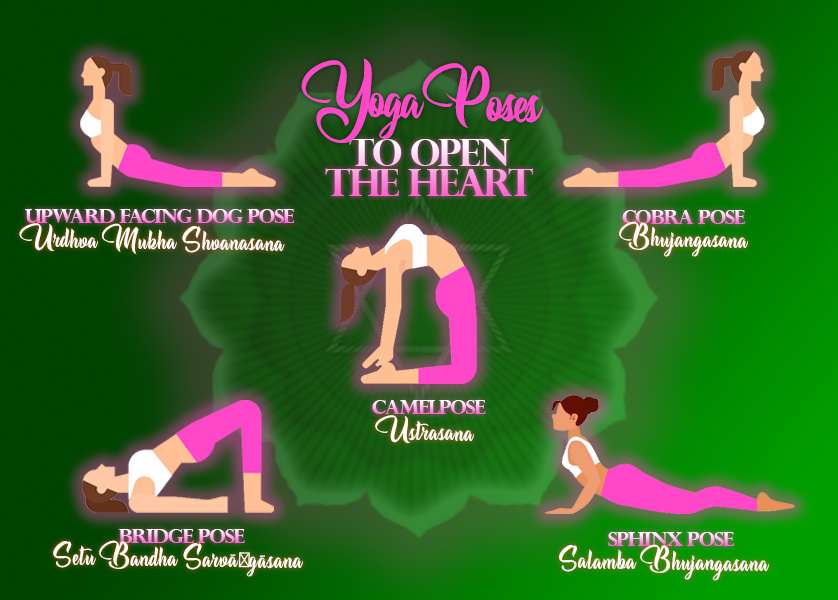
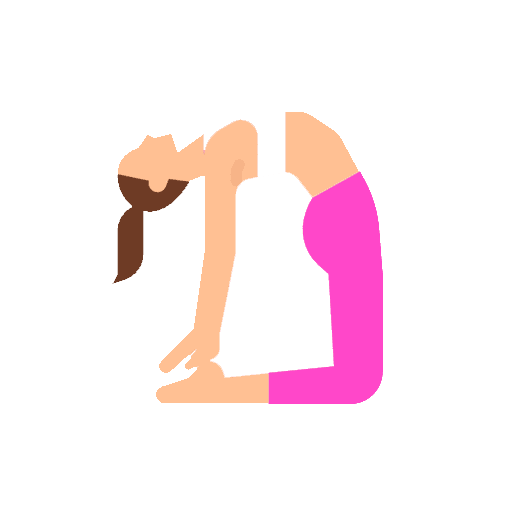 Camel pose (Ustrasana) This pose opens up the chest and helps expand the lungs, which can help release any pent-up emotions.
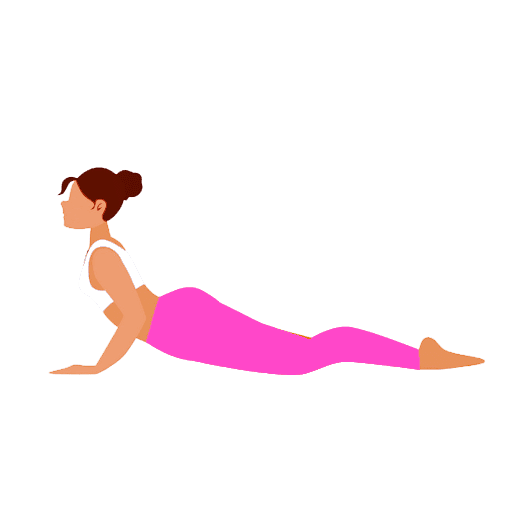 Sphinx pose (Salamba Bhujangasana ) A pose that helps to open up the chest and heart area, as well as stretching the front of the body. It’s about boosting circulation and energy levels.
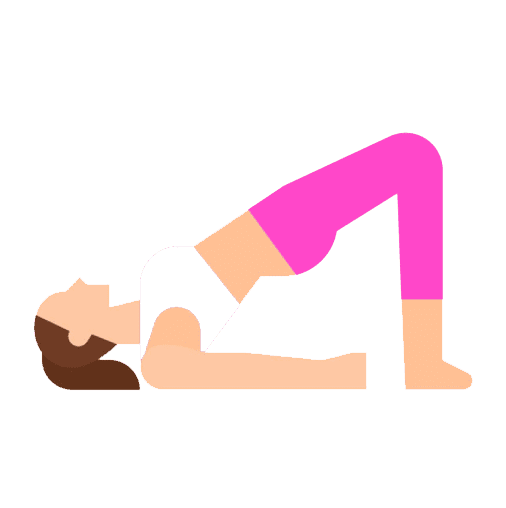 Bridge pose (Setu Bandha Sarvāṅgāsana) This pose helps to open up the chest and heart area towards the skies above. This one also helps to stretch the front of the body.
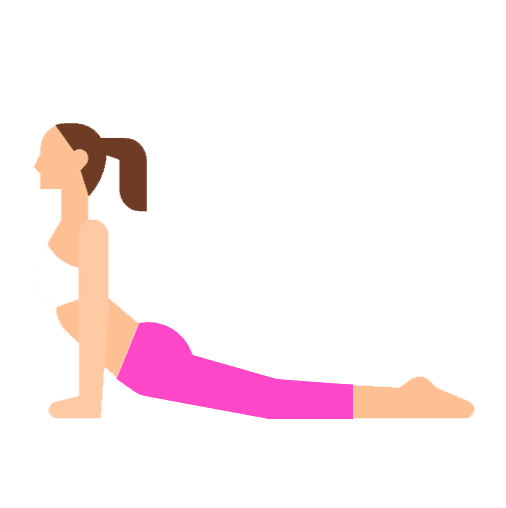 Upward Facing Dog pose (Urdhva Mukha Svanasana) A pose that helps open up the chest as well as the lungs. As well as strengthening the back and toning ones’ arms.
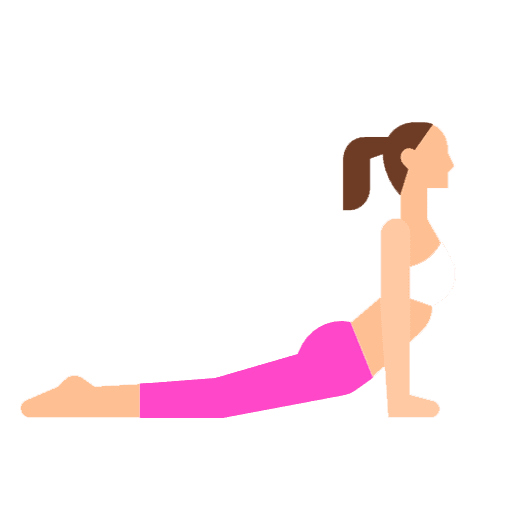 Cobra pose (Bhujangasana)
This pose is about opening up the chest and lungs area, as well as strengthen back areas.
What is the actual difference between doing the cobra pose or an upward-facing dog pose?
The cobra pose is normally considered more of as a more beginner-friendly alternative. As opposed to doing the upward-facing dog pose.
When ones doing the cobra pose, one tends to keep the hips and knees on the ground.
When one is doing the upward-facing dog pose, usually your hips and thighs lift off the ground.
5. Heart-Centred Meditation
Practice heart-centred meditation by bringing gentle attention to the heart chakra, the breath, and feelings of love or compassion. This can be a quiet space for reflection and connection.
- Focus on your breath and try to stay in the present moment.
- This can help to clear the mind of any negative or critical thoughts blocking the heart chakra.
- In addition to focusing on the breath, you can also visualize a bright green or pink light of energy around your heart energy center. This light represents healing and love.
- Picture this light growing and expanding until it fills your entire body. Allow yourself to feel the love and healing that this light brings.
Rose quartz is often associated with love, compassion, and the heart chakra in crystal traditions. Here’s a guided rose quartz heart chakra meditation to enjoy as part of your practice.

6. Breathwork and Self-Love
Focus on breathwork and self-love as ways to bring gentle attention to the heart chakra. Slow, mindful breathing can create a quiet moment for reflection, while self-love can include kindness, patience, and compassion toward ourselves.
- Focus on your breath and try to stay in the moment.
- Visualize by clearing your mind of any negative or critical thoughts that may be blocking the heart chakra area.
- Try to be open and honest with the people in your life, and let them know how you feel without being rude or unkind.
- Always try to start on a good note by keeping an optimistic attitude.
7. Heart Chakra Stones
Heart chakra stones are part of crystal energy work and chakra practices. Crystal healing is a popular practice, and pink and green stones are commonly associated with the heart chakra.
Other crystals, such as amethyst, may also be included in spiritual and chakra practices because of their broader associations with calm, reflection, and spiritual awareness.
Each stone has its own traditional meanings and associations.
Rose Quartz — A widely used pink heart chakra stone, often associated with love, compassion, self-love, and emotional balance.
Green Aventurine — A green stone often associated with growth, calm, and emotional balance.
Jade — A green stone traditionally associated with harmony, serenity, and balance.
Amethyst — A purple stone often used in spiritual and meditation practices. It is traditionally associated with calm, reflection, and spiritual awareness. A closer look at amethyst in healing practices covers more.
8. Essential Oils Often Associated With the Heart Chakra
In aromatherapy and chakra practices, certain essential oils are often associated with the heart chakra. These include lavender, frankincense, and peppermint.
Lavender — Often associated with calm, relaxation, and emotional wellbeing. Its soft floral scent can be a soothing addition to meditation or quiet reflection.
Frankincense — Traditionally used in spiritual practices, meditation, and sacred ceremonies. Its warm, earthy scent is often associated with grounding, reflection, and a sense of peace.
Peppermint — Known for its fresh, invigorating scent. It is often used to create a feeling of freshness, energy, and mental clarity.
Oil burners and diffusers are popular ways to enjoy these scents. If an essential oil is applied to the skin, it should always be diluted first. Undiluted oils can cause skin irritation. Always follow the safety guidance on the product label.
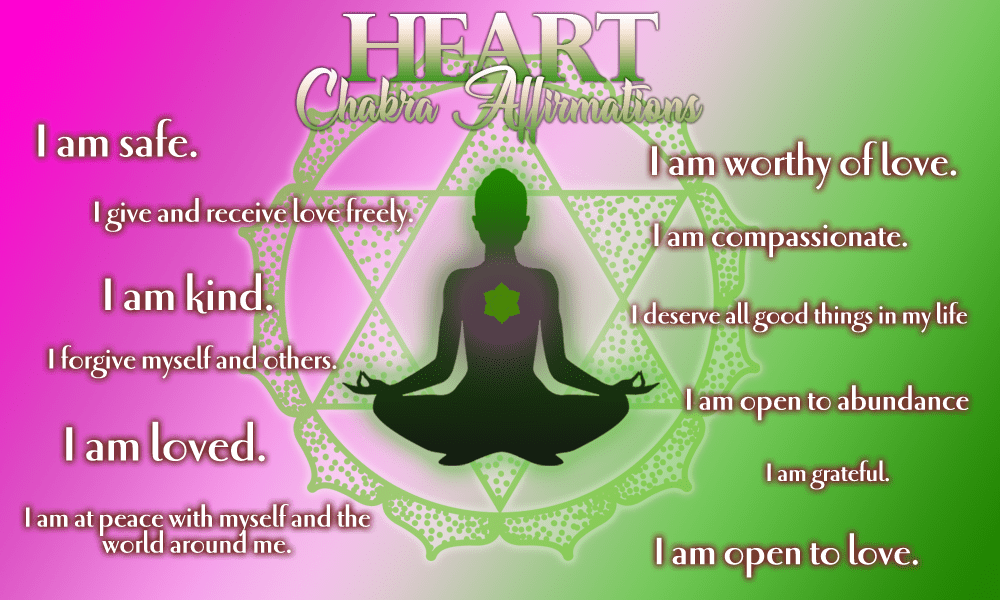
9. Heart Chakra Affirmations
Heart chakra affirmations are simple phrases that can be repeated as part of a personal reflection or spiritual practice. They can be adapted to suit personal experiences and words, which can make them feel more natural.
Try speaking or writing them slowly. Choose the ones that feel meaningful, or create your own.
10. Exploring the 639 Hz Frequency
The 639 Hz frequency is often associated with the heart chakra in modern chakra and sound-healing practices. Solfeggio frequencies are a group of tones used in some meditation and sound practices. Different frequencies given different symbolic or spiritual associations.
You might come across 639 Hz in:
- Meditation
- Yoga
- Breathwork
- Quiet reflection
- Relaxation
If the sound feels calming or enjoyable, it can simply become another part of a personal wellness practice.

FAQs on Balancing Heart Chakra Energy
What is the heart chakra?
Anahata sits fourth among the body’s seven main energy centers. It carries associations with love, compassion, and emotional balance. It forms the bridge between the lower and upper chakras.
Where is the heart chakra located?
It’s found at the center of the chest, near the breastbone. Some traditions also connect it to the space between the shoulder blades.
What does blocked heart chakra energy mean?
In chakra traditions, it can describe feelings of disconnection, grief, resentment, or difficulty with trust and love.
What does a balanced heart chakra mean?
A balanced heart chakra is often described as feeling more compassionate and open to love. It can also mean steadier relationships and a sense of calm during difficult moments.
Which crystal is best for the heart chakra?
Rose quartz is a widely used stone for heart chakra work. Green aventurine and amethyst are also popular choices.
What color is associated with the heart chakra?
Green is the primary color traditionally associated with the heart chakra. Pink is also often connected with it. Both are commonly linked with ideas of love, tenderness, growth, and renewal.
Can meditation help balance the heart chakra?
Heart-focused meditation is often used as a gentle practice for connecting with the heart chakra. This can include breathwork and visualization.
Which yoga poses are associated with the heart chakra?
Camel, Sphinx, Bridge, Cobra, and Upward-Facing Dog are commonly used as heart-opening poses.
What frequency is associated with the heart chakra?
639 Hz is commonly associated with the heart chakra in modern chakra practices. It is often linked with themes of love, connection, and harmony.
Hand-Selected Products for This Post
The products below are mentioned throughout this post and can be used alongside heart chakra and meditation practices.
Each one has been hand-selected, including a few personal favorites. Take a look and see what might feel like a good fit for a personal practice.
Yoga & Meditation
Journals & Planners
Heart Chakra Crystals
Chakra Candle Sets
We hope this guide gave you some helpful insight to bring into your own practice.
Final Thoughts on Heart Chakra Energy
Heart chakra practices don’t have to be perfect or happen overnight. They can simply be a gentle way to make space for openness, patience, and self-compassion.
That might mean a few minutes of mindful breathing, a page in a journal, or sitting quietly with a calming crystal. Small, simple practices can become part of a personal routine.
The heart chakra is one part of the wider chakra system.
If you’re curious to explore further, the guides below offer detailed information each energy center. Start wherever feels most interesting, and explore at a pace that feels right for you.
Muladhara (Root Chakra) — a steady, grounded foundation
Svadhisthana (Sacral Chakra) — creative flow and emotional depth
Manipura (Solar Plexus Chakra) — self-assurance and inner drive
- Vishuddha (Throat Chakra) — honest expression and voice
Ajna (Third Eye Chakra) — inner knowing and clarity
Sahasrara (Crown Chakra) — expanded awareness and connection to spirit