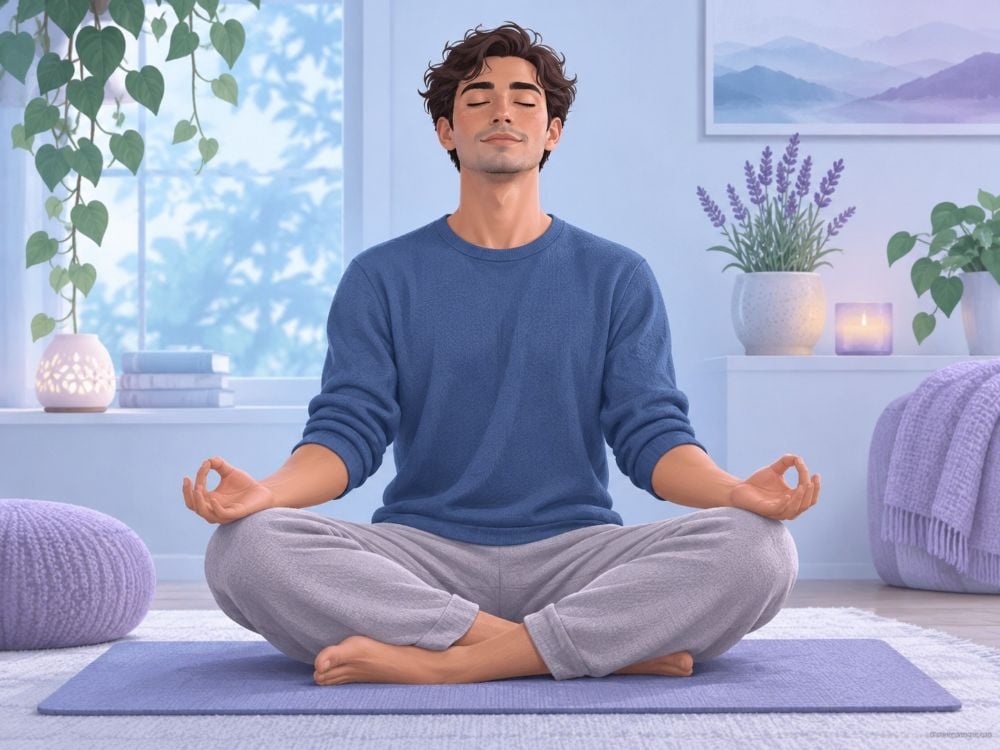
Sitting down to meditate for the first time can leave us wondering what comes next. Should we follow the breath, listen to a guided meditation, or simply sit quietly?
Meditation for beginners can start with a comfortable seat and one straightforward exercise. A few minutes gives you a chance to try a short meditation session and see how the practice feels.
We’ll walk through the practical steps, from finding a comfortable position to bringing that first session to a gentle close.
Key Takeaways
A comfortable chair and a place with fewer interruptions are enough to get started.
Choose one simple point of attention, such as the breath, or try a short guided meditation.
Adjust your posture when needed, and keep your eyes softly open if you prefer.
Your first meditation session is an opportunity to explore the practice and discover what feels comfortable for you.
What to Know Before Starting Meditation
Meditation is a practice that involves focusing attention or developing awareness, and there are different ways to approach it. These include noticing the natural breath, listening to sounds, repeating a phrase, or following guided instructions. The NCCIH overview of meditation and mindfulness offers a broader explanation of these different practices.
For your first meditation session, choose one method you’d like to try that seems easy enough to follow. Once you’ve tried it, you’ll have a better idea of whether it suits you or you’d prefer to try a different technique.
The exercise below introduces a few meditation basics through a short sitting meditation, using natural breathing as a point of attention. Our guide to different ways to meditate explores other options, including movement-based practices.
Make the First Session Comfortable
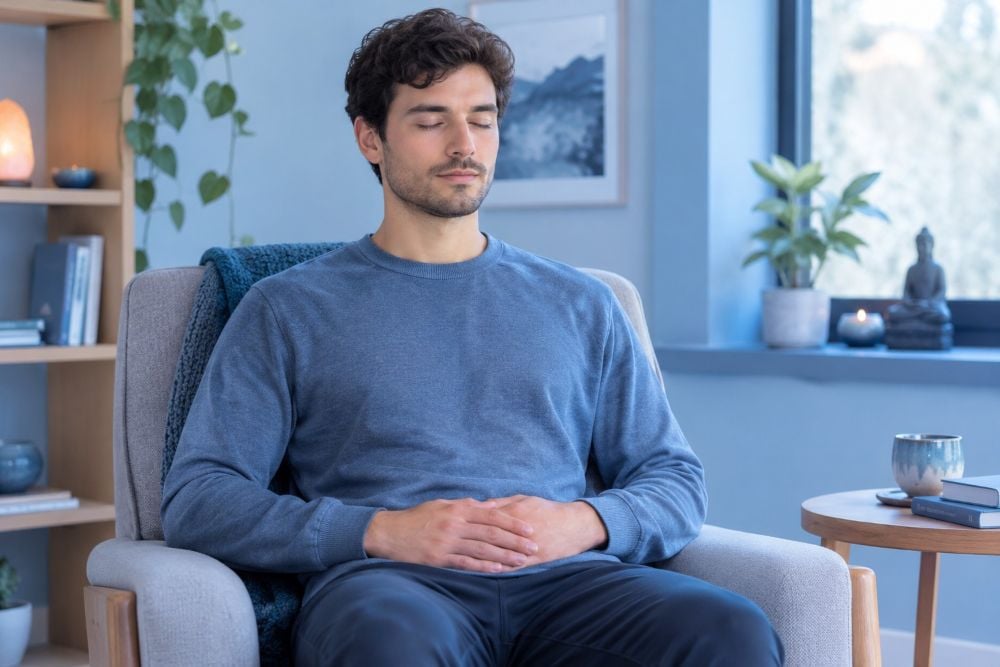
Choose a spot at home where you can enjoy a few quiet minutes. A comfortable chair you already use is a good option, or you might prefer sitting on a supportive floor cushion.
Once seated, find a position that feels natural. If you’re using a chair, rest your back against it if needed and keep your feet comfortably supported. Let your hands relax in your lap.
Take a moment to adjust your posture before starting. A folded blanket behind your back or beneath your feet can provide a little extra support.
The NHS beginner meditation guide also describes using an ordinary chair or another comfortable place to sit. Special equipment isn’t required.
If you’d like to explore other seating options, our meditation furniture guide offers more ideas for supporting the body during meditation.
A Simple Step-by-Step Meditation for Beginners
Set aside a few minutes for your first meditation session. You might like to start with two minutes. A phone timer works well, or you could even use a simple meditation timer with chakra sounds to let you know when the session is finished.
For more guidance on choosing a session length that suits you, see our guide to how long to meditate.
1. Settle and Observe
Take a moment to notice your surroundings and feel the chair or cushion supporting your body.
You can gently close your eyes or keep them open with a soft, relaxed gaze. If they’re open, let your gaze rest on an object or spot in the room.
Allow your shoulders to drop down and relax, and rest your hands comfortably. You can adjust your position whenever needed.
2. Notice Your Breathing
Let your breathing follow its natural rhythm.
Notice where you feel the breath most clearly. It might be your abdomen moving, your chest rising and falling, or the air passing through your nostrils.
Choose one of these sensations and follow your breath as you inhale and exhale, without trying to change its depth or rhythm.
If paying attention to your breathing feels uncomfortable, you could focus on a sound in the room or the sensation of your feet resting on the floor.
3. Return When Attention Wanders
You might even find yourself thinking about what to cook later or noticing a car passing outside. Mind wandering can be a natural part of meditation, especially when you’re just starting out.
When you realise your attention has shifted, just gently bring it back to the next inhale or exhale. If you’ve chosen to focus on sounds or the feeling of your feet against the floor, return to that instead.
Simply pick up where you left off whenever your attention drifts. Our mindfulness meditation guide explores this way of paying attention in more detail.
4. Bringing the Session to a Close
Once your timer finishes, or whenever you’re ready to end your meditation, gradually bring your awareness fully back to the room.
If your eyes were closed, gently open them. Feel the chair supporting you, move your hands and feet, and take your time before standing.
This brings your short meditation session to an end.
When a Guided Meditation Would Be Helpful
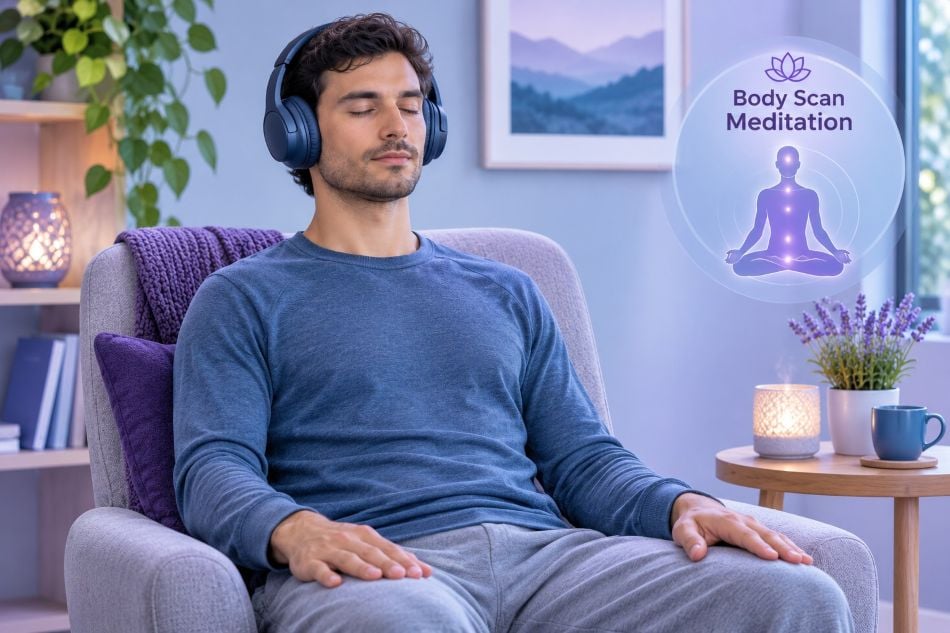
A guided meditation can be a helpful starting point, especially if remembering the steps feels distracting. Instead of trying to recall what comes next, you can follow the spoken instructions as you go.
Guided meditation isn’t necessarily better than practising on your own. It’s simply another way to begin. Some recordings focus on breathing, while others guide you through a gentle body scan.
Listen to a short sample before choosing a recording. Notice whether the voice is pleasant to listen to, the instructions are clear, and the pauses feel comfortable.
UCLA Mindful’s free guided meditations offer several options to explore.
If background noise makes listening difficult, a comfortable pair of headphones might be helpful. Otherwise, listening through your phone or another device works just as well.
You can pause a recording or adjust an instruction to suit your comfort. If the guide suggests closing your eyes, keeping them open is perfectly fine.
Common Challenges in Meditation for Beginners
Your first meditation session might not go quite as expected. A few simple adjustments can help when something feels uncomfortable or distracting.
Your sitting position feels uncomfortable: Change position, add support or finish the session if needed. There’s no reason to sit through physical discomfort or a whole session.
Outside noises keep distracting you: Try a quieter spot, or use one of the sounds around you as your point of attention. Noise cancelling headphones are another option.
You find it difficult to sit still: Walking meditation offers another option if you’d prefer to move while practising.
If the meditation itself feels upsetting or brings up difficult emotions, stop and bring your attention back to the room around you. You can try a different approach another time. If those feelings or discomfort continue, consider speaking with a qualified healthcare professional for support. They may be able to suggest other options that are more suitable as a self-care routine.
How Can You Tell If Meditation Is Going Well?
After your first session, take a moment to reflect on how the experience felt. Keeping a meditation journal can help you remember what worked, what felt challenging and what you might like to try next time.
If the breathing exercise felt comfortable and easy to follow, continue with the same approach.
If it didn’t feel quite right, remember that meditation isn’t always about sitting still. You might enjoy exploring other techniques, such as walking meditation or mantra meditation.
The idea is to find a practice that feels good and suits your personal preferences.
FAQs About Meditation for Beginners
Can I Meditate Lying Down?
Lying down can be another comfortable way to meditate. Particularly for a body scan or longer guided meditation sessions.
If you’d prefer to stay alert throughout your session, sitting in a supportive chair might suit you better.
Is It Normal to Feel Sleepy During Meditation?
Feeling sleepy can happen during meditation, especially when you’re already tired or settling into a comfortable relaxed position.
If you notice yourself becoming sleepy, try sitting upright, keeping your eyes softly open, or choosing a time when you feel more alert.
Final Thoughts
Starting meditation can be simpler than you might imagine. A few quiet minutes in a comfortable position, with a gentle focus, can be a lovely way to explore the practice. Your first session is a chance to discover how meditation feels for you.
As you become more familiar with the practice, you might feel curious about trying different techniques. Our meditation styles collection offers more articles and approaches to explore.
You can also discover helpful items commonly used during meditation, such as floor cushions, crystals and other optional accessories. Explore these in our guide to meditation tools for beginners.
Ready to give meditation a try?