
Written on 19th March, 2021. Updated on 19th November, 2026.

Ever had one of those mornings when everything seems to happen at once? Your phone keeps buzzing, plans change unexpectedly, and there’s barely time to finish a cup of tea.
On days like these, a Zen attitude can feel a long way off. Yet finding peace doesn’t mean life has to run smoothly or that nothing bothers us.
It’s about being present and learning to let go of things we can’t control.
Let’s explore how this outlook can help us approach life’s challenges with greater calm and appreciate the simple moments along the way.
Key Takeaways
A Zen attitude encourages awareness, acceptance and patience when dealing with everyday experiences.
Acceptance doesn’t mean agreeing with everything. It means recognising a situation before deciding what to do.
Small changes in how we respond to challenges can help us approach the day more thoughtfully.
Personal time, reflection and simple mindful habits can support a more balanced lifestyle.
What Is a Zen Attitude?

Having a Zen attitude means being present in everyday life, without getting too caught up in thoughts, worries or expectations about what comes next.
This outlook draws inspiration from Zen Buddhism, which has roots in Chinese Chan Buddhism. Meditation is central to the tradition, but its teachings also extend into daily life.
The Soto Zen Buddhist Association explains how awareness can be part of ordinary activities, from cooking to caring for others.
For example, imagine enjoying a walk while noticing the fresh air, birds singing or the warmth of the sunshine, rather than mentally running through your to-do list.
These ordinary moments give us opportunities to slow down and appreciate what’s happening around us.
How to Begin Embracing a Zen Attitude
Developing a Zen attitude doesn’t require a complete lifestyle change. Small adjustments to familiar habits can help you become more present and enjoy everyday experiences.
Here are five ways to begin.
1. Practise Acceptance Without Giving Up
Not everything happens the way we’d like it to, so it’s natural to feel disappointed when plans fall through.
Perhaps you’ve organised a lovely weekend outing, only to wake up to heavy rain.
Rather than spending the morning wishing the weather were different, consider your options. You could choose an indoor activity or enjoy an unexpected day at home.
Acceptance doesn’t mean you have to like what’s happened. It means recognising the situation and deciding what you can do about it.
Next time something doesn’t go to plan, ask yourself: What’s within my control, and what can I let go of?
2. Bring More Patience Into Everyday Moments
Patience can be challenging, especially when things aren’t progressing as quickly as we’d hoped.
Imagine learning something new on your computer. You’ve followed the instructions, but nothing seems to work.
Instead of becoming increasingly frustrated, take a short break, go through the steps again or ask for help.
Patience also matters in our relationships. Giving someone time to explain their point of view can help us understand where they’re coming from, even when we disagree.
And don’t forget to extend that same patience to yourself. Learning new skills and adjusting to unfamiliar situations takes time.
Is there something you’re learning right now that deserves a little more patience?
3. Make Time for Your Own Well-Being
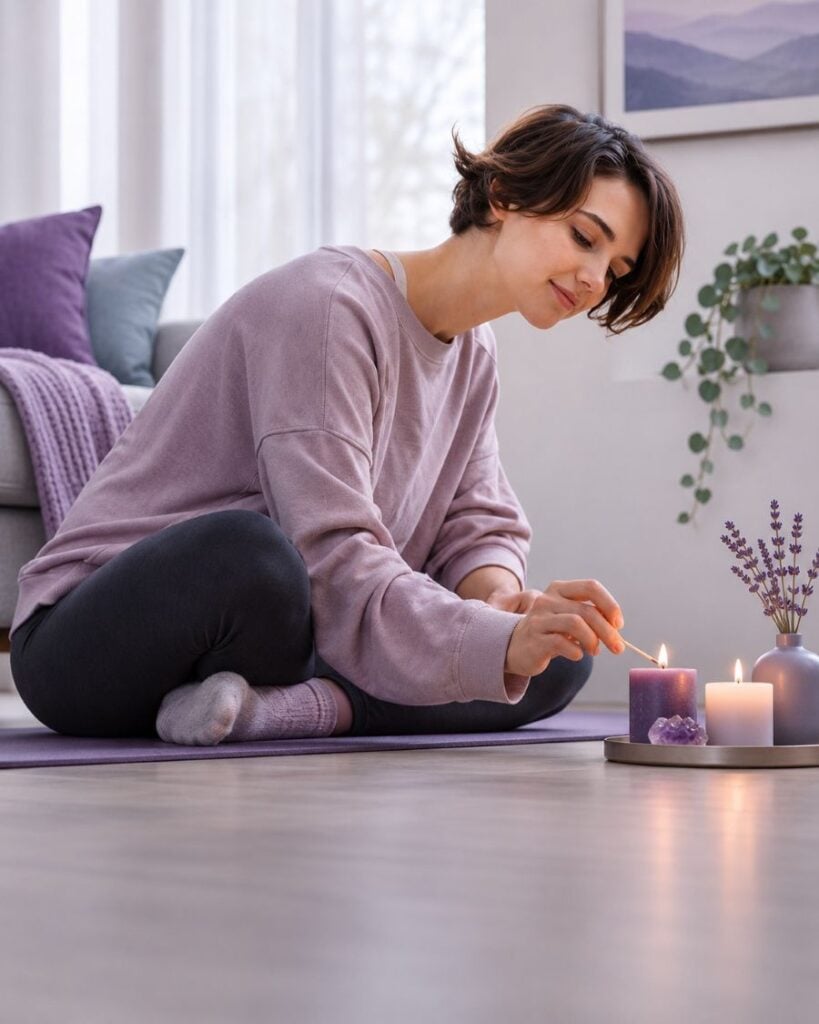
Between work, family commitments and everyday responsibilities, personal time can easily slip away.
But looking after your well-being deserves attention, too.
A holistic approach to self-care includes getting enough rest, eating well and making time for activities that support your physical and emotional needs.
Perhaps it’s enjoying a quiet cup of tea before checking messages, taking a walk in the fresh air or stretching after a long day at your desk.
Choose something you genuinely enjoy, even if you only have a few minutes.
Our article on why self-care is important shares more ideas for making personal well-being part of everyday life.
What’s one small thing you could do for yourself this week, simply because you enjoy it?
4. Reconnect With What Matters to You
Our personal values influence the choices we make and how we spend our time.
Perhaps family, kindness, creativity, independence or spending time in nature are especially important to you.
Journaling can help you reconnect with these values, particularly when everyday responsibilities are taking up most of your attention.
Try writing down three things that matter most to you. Then think about how much time you’ve given them recently and whether there’s something you’d like to make more room for.
Our journal prompts for mindfulness offer more ideas for personal reflection.
For those who enjoy spiritual reflection, journaling can also be a way to explore personal beliefs and what gives life meaning.
Whether you’re using a notebook you already own or a journal with thoughtful reflection prompts like this one, what would you like to reflect on first?
5. Keep Things Simple
It’s easy to fill the day with tasks, commitments and distractions, leaving little time to enjoy the things that matter to us.
Keeping things simple can begin with slowing down and giving one activity your full attention.
Try enjoying dinner without checking your phone, completing one task before starting another or leaving an afternoon free from unnecessary plans.
If your to-do lists are scattered across notebooks and scraps of paper, a simple undated weekly planner like this might help you organise what’s important.
You don’t need to get everything done in one day.
Sometimes simplifying your routine means deciding what can wait, so you have more time to enjoy what’s happening right now.
What’s one thing you could simplify this week to make your day a little easier?
How Can You Feel More Zen During a Busy Day?
When there’s a lot happening, it’s easy to rush from one activity to another without really noticing what we’re doing.
Even on the busiest days, there are small opportunities to slow down and enjoy the present moment.
Imagine you’ve spent the morning answering emails, taking phone calls and juggling several tasks. Before moving on to the next one, try this simple mindful pause:
Stop for a moment: Put aside what you’re doing and notice how you’re feeling.
Focus on your breathing: Take a few natural breaths and pay attention to the sensation of breathing in and out.
Return to the present: Notice your surroundings, then give your attention to the next thing you’re doing.
The NHS guide to mindfulness also explores how paying attention to everyday experiences can help us become more aware of our thoughts and surroundings.
If you’d like to try a guided exercise, UC Berkeley’s mindful breathing practice offers a simple place to start.
You can also explore our article Take a Breath and Stand in Your Power for more ideas on using breathing and awareness in daily life.
The beauty of these little pauses is that you can practise them almost anywhere, without needing to rearrange your day.
When will you make room for a mindful moment in your day? Perhaps while enjoying your morning coffee, taking a break at work or unwinding before bedtime.
Create a Personal Space That Helps You Feel More Zen

Having a peaceful spot to retreat to can be a lovely way to unwind after a busy day. It doesn’t need to be a separate room. A comfortable chair by the window, a quiet bedroom corner or a favourite spot in the garden can work just as well.
Start by making the area comfortable and removing unnecessary clutter. Then add a few personal touches that make it inviting, such as:
Calming colours: Soft blues, muted greens or neutral shades, depending on what feels relaxing to you.
Natural elements: Living indoor plants, fresh flowers or a little more natural light.
Meaningful objects: A favourite photograph, a beautiful crystal or something that brings back happy memories.
Comfortable seating: A cosy chair, cushions or a soft blanket where you can settle in.
If you enjoy sitting closer to the floor, something like this folding floor chair with back support might be a lovely addition.
Your personal sanctuary doesn’t have to be perfect or expensive. It’s simply somewhere you feel enjoy spending time. Whether you’re reading, relaxing or needing a little peace and quiet.
Is there anything you could add to your space at home to help you slow down, enjoy some quiet time and be fully present?
FAQs About a Zen Attitude
Is a Zen Attitude the Same as Positive Thinking?
Not quite. Positive thinking encourages optimism and looking for possibilities. While a Zen attitude focuses on being present and accepting life as it unfolds.
Both can work together, helping us appreciate the present while maintaining a hopeful outlook on life.
Do I Need to Learn Meditation to Have a Zen Attitude?
Meditation is an important part of traditional Zen Buddhism, but its principles can also be explored through everyday activities.
Being present during conversations, appreciating simple moments and paying attention to what you’re doing are all ways to bring a Zen-inspired outlook into daily life.
Meditation can help deepen this awareness, but it’s not the only way to begin.
Bringing a Little More Zen Into Everyday Life
Embracing a Zen attitude begins with the little moments we often overlook. Perhaps it’s enjoying your morning tea without distractions, spending time in nature or giving someone your full attention.
These simple choices can help us appreciate the present rather than constantly thinking about what comes next.
If you’d like to explore meditation as part of this outlook, our 11 Ways to Meditate guide introduces different practices to try.
You can also discover more everyday ideas in our article on how to surround yourself with positive energy.
What’s one small change you’d like to make to bring more Zen into your life? Share your thoughts in the comments. We’d love to hear from you!