Written on 7th June, 2021. Updated on 15th October, 2026.
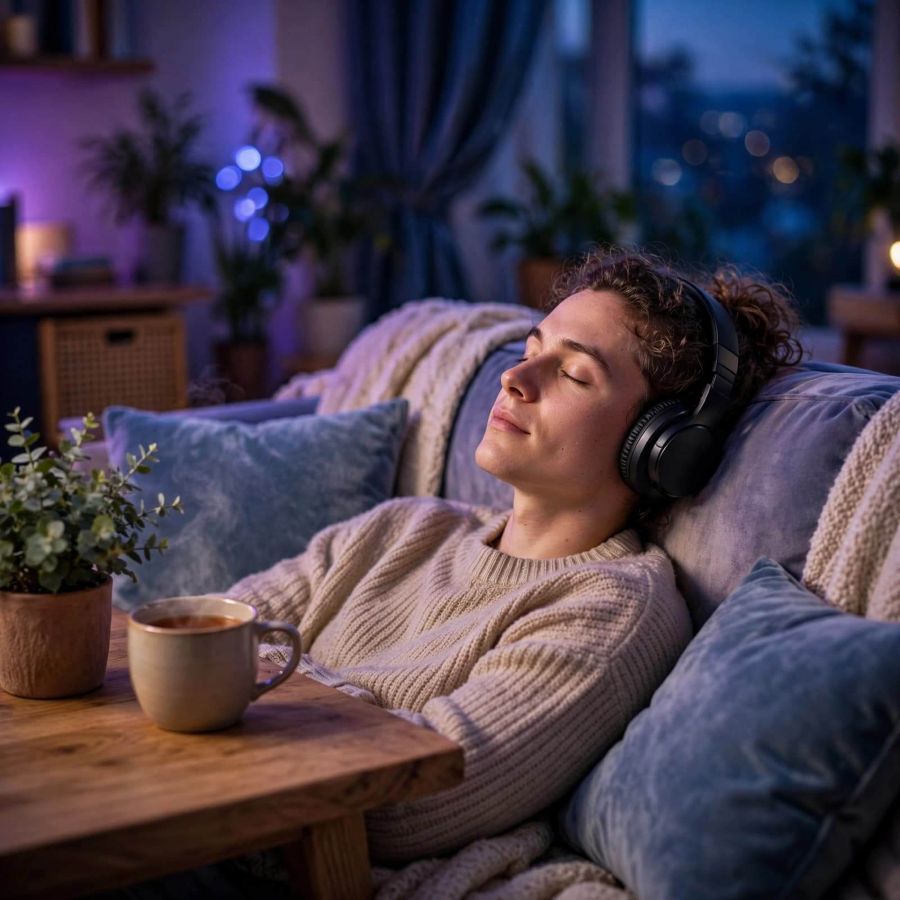
Can a few gentle sounds make a busy day feel a little less overwhelming? Not sure how to use healing music frequencies in wind-down routines? Let’s explore different soundscapes for relaxation, chakra work & meditation.
Whether you prefer listening on YouTube, Spotify or using mindfulness apps, there’s many ways to discover soundscapes you vibe with.
Research suggests that listening to music may support relaxation and subjective sleep quality. Although claims about special healing tones deserve a measured, thoughtful look.
A helpful starting point is understanding what these frequency labels mean, then choosing sounds that feel right for your personal wind down routine.
Key Takeaways
Relaxation & Rest: Music can support relaxation and subjective sleep quality, but a specific frequency is not a medical treatment.
Cultural Tones: Solfeggio tones and historical concepts like the Love Frequency or Angel Frequency carry spiritual associations rather than clinical effects.
Flexible Platforms: Platforms like YouTube, Spotify, and dedicated sound apps offer easy ways to explore peaceful background audio.
Personal Preference First: Soft melodies, nature audio, and guided meditation suit different moments and moods.
What Are Healing Music Frequencies?
Healing music frequencies, often described simply as healing frequencies in ambient music circles. They’re audio tones and soundscapes associated with relaxation, meditation, and quiet reflection. In wellness traditions, the term “healing” generally describes the peaceful intention of the music rather than a confirmed medical outcome.
And, in simple technical terms, frequency refers to the speed of sound vibrations measured in hertz (Hz). A 528 Hz tone vibrates 528 times per second.
Ambient soundscapes often reference sound therapy concepts. These frequently include brainwave states like alpha, theta, or delta waves. You may also see references to natural rhythms like the Schumann resonance. Nikola Tesla famously spoke about frequency and energy in the universe. Applying these concepts to modern music offers a creative way to design calming audio environments.
A recording labeled with a specific pitch might feature a steady background tone layered beneath piano, ambient pads, or nature sounds. Some listeners incorporate these soundscapes into chakra meditation, encouraging emotional balance. These personal practices can be deeply meaningful as part of a quiet self-care routine.
If you’d like to explore more topics like binaural beats or dedicated 432 Hz music, check out our guides on those particular soundscapes.
The NCCIH music and health summary describes research across music-based practices. That broader evidence shouldn’t be treated as proof that one labeled tone has a special healing effect.
What studies suggest about music, stress, and rest
The 2022 Cochrane review of music for insomnia included 13 studies involving 1,007 adults. It found moderate-certainty evidence that recorded music improved subjective sleep quality.
“Subjective” means participants reported how they experienced their sleep. That matters, but it isn’t the same as showing consistent changes in every measured outcome. The review found no clear evidence of improvement in insomnia severity.
Music research also examines stress and anxiety, with findings that vary across groups and settings. Some studies of calming audio report lower salivary cortisol, a biological stress marker. Others found reductions in serum cortisol. Music may support some relaxation, but persistent nighttime difficulties or distress still deserve professional support.
Why music research doesn't prove frequency-specific claims
The insomnia review studied music listening. It didn’t establish that 396, 528, or 963 Hz heals disease or works better than other pitches.
Solfeggio meanings belong more to spiritual and wellness traditions, rather than proven medical effects. Research on binaural beats is separate from ordinary music listening and remains preliminary.
A calming response can be genuine without confirming the explanation attached to a recording. Expectations and the placebo response may shape how someone feels, along with musical preference, familiarity, and the listening setting.
What Are the 7 Healing Frequencies?
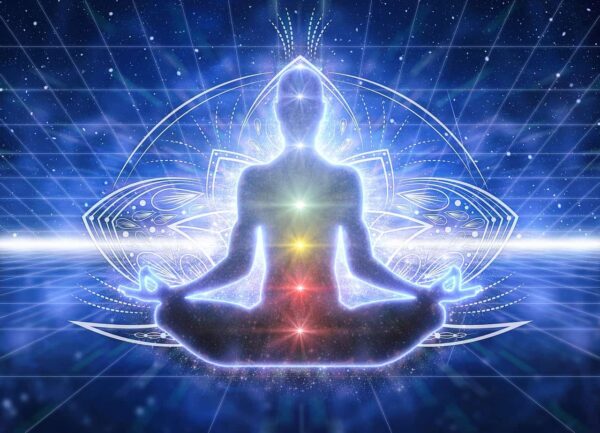
Many meditation recordings refer to seven core tones from the traditional Solfeggio system. These healing frequencies are often paired with symbolic themes or specific chakra centers.
For a deeper look at energy work, you can also explore our full guides on Chakra Balancing with Solfeggio Frequencies.
Here is a quick overview of how these traditional tones appear in ambient music:
| Frequency | Popular Name / Tradition | Common Theme in Ambient Music |
| 396 Hz | Liberation Tone | Grounding, security, and quiet reflection |
| 417 Hz | Undoing Situations | Easing daily tension and encouraging fresh starts |
| 528 Hz | Known as the Love Frequency (or linked by some to DNA repair themes) | Peaceful mindset, stress relief, and renewal |
| 639 Hz | Harmonizing Relationships | Connection, compassion, and emotional balance |
| 741 Hz | Awakening Intuition | Expression, clarity, and self-reflection |
| 852 Hz | Returning to Spiritual Order | Inner awareness and calm contemplation |
| 963 Hz | Often called an Angel Frequency | Higher consciousness and deep rest |
Note: Terms like “DNA repair” or “Angel Frequency” are traditional naming conventions used within wellness circles, rather than any medical claims.
The same tone can feel completely different depending on how the track is produced. A gentle acoustic piece layered with a soft singing bowl will feel very different from a sharp synthesizer track. The most useful approach is choosing a complete recording that feels genuinely soothing for you.
Where to Find Healing Music Frequencies
Finding peaceful soundscapes for your home or daily walks is pretty easy:
YouTube: Offers ambient channels, singing bowl audio, nature soundscapes, and frequency-labeled tracks. Searches like “396 Hz meditation,” “432 Hz acoustic,” or “gentle rain sounds” all help narrow down your preferred style.
Streaming Apps (Spotify & Apple Music): Features curated playlists for rest, focus, and quiet reflection. Saving your favorite albums makes it easy to build a reliable wind-down routine.
Mindfulness & Sound Apps: Some apps offer customizable background audio, like allowing you to balance soft musical tones with ambient rainfall or ocean waves.
Digital Downloads & Royalty Free Libraries: If you prefer listening offline or need music for video creation, there’s also some royalty free options available.
Simple Ways to Use Relaxing Soundscapes
Adding ambient audio to your day offers a gentle way to support relaxation. Here are a few ways to include these soundscapes in your routine:
During Chakra Meditation: Playing soft background audio creates a steady anchor for attention. It helps support emotional balance during your practice.
Evening Wind-Down: Listening to soothing music as part of your evening routine helps release daily tension. Lowering stress late in the day can help ease elevated cortisol levels.
Reading or Focus: Subtle background soundscapes provide gentle ambient noise. This keeps an overthinking mind calm and centered without causing distraction.
Academic discussions on bedtime music, such as insights shared by UC Davis discussion of bedtime music highlight listening to audio as a possible support for sleep. However, not every bedtime playlist is equally suitable for rest.
Use headphones, speakers, or a sound bath thoughtfully
Choosing the right equipment helps support your personal relaxation routine:
Headphones: Offer private, immersive listening for individual rest.
Speakers: Work well for a shared calm space or if you prefer not to wear headphones.
Sound Baths: Live or recorded sessions offer a unique relaxation experience with sustained gong or bell tones.
Always keep the volume comfortable.
Let the routine stay flexible
Soundscapes may offer a pleasant option to include in self-care routines, such as chakra work or simple relaxation techniques. And using a familiar audio can also act as a subtle cue for resting time. Rather than managing a constantly changing playlist.
For example, someone might use rain sounds while journaling, then choose another piece for breathwork exercises.
Frequently Asked Questions
Is there one best frequency for relaxation?
Sound is a personal experience. There is no magic number that suits every listener. Choosing audio that feels pleasant and soothing to you usually makes the biggest difference.
How loud should meditation music be?
A soft and gentle volume creates a comfortable environment. Quiet audio allows background sounds to support your space without feeling loud or overwhelming.
Is home listening the same as music therapy?
Home listening is a self-directed, relaxing hobby. Professional sound therapy or music therapy involves working directly with a trained practitioner to meet specific personal goals.
Finding Soundscapes That Feel Right
Finding peaceful soundscapes that fit comfortably into a daily routine helps create a lovely smooth transition. It makes it easier to shift gears from a busy mind, busy day to wind down and rest.
A certain audio track might feel almost like healing music during chakra energy work. Maybe even listening to an Angel Frequency for spiritual growth, or simply using background sounds for everyday relaxation. In the end, the choice comes down to personal taste and comfort levels.
Searching for audios online offers an easy starting point when testing out all the different sounds. Often, a quiet space and a soft background tone are all it takes to create a restful environment.
And, if you’d like to explore more ways to support your daily mindfulness practice, here’s some of our related guides:
Discover Chakra Meditation Music Working With Rose Quartz Energy
Explore how different audio soundscapes support unwinding in our post on 432 Hz music.
Learn about integrating gentle background audio into your routine with our guide on binaural beats.