Written on 14th June, 2021. Updated on 13th October, 2026.
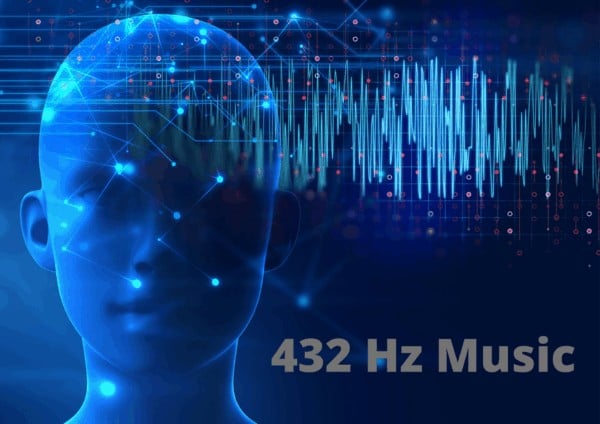
432 Hz music is often associated with spiritual growth, grounding and a sense of inner calm. But what does this tuning mean, and why does it appeal to listeners who enjoy using music as part of a wellness routine?
Whether it’s played during quiet reflection or while unwinding in the evening, 432 Hz music can create a little space away from daily distractions. It offers a simple way to pause and enjoy a quieter moment.
In this guide, we’ll explore what 432 Hz music is, what research says, and how it might fit into a grounding or wellness routine.
Key Takeaways
432 Hz music refers to a tuning reference
Some listeners enjoy it as relaxation music or chakra meditation music.
Early studies have explored relaxation and sleep, but the evidence remains limited.
A comfortable listening space and a few quiet minutes are enough to begin.
What Is 432 Hz Music?
Understanding 432 Hz music begins with how sound is tuned. Subtle shifts in pitch can shape the mood of a piece of music. When music uses this tuning, it relies on a specific reference note called A4. This note is set to vibrate at 432 hertz, or cycles per second. A hertz simply measures how quickly a sound wave vibrates.
In contrast to 432 Hz music, standard concert tuning sets that same reference note slightly higher at 440 hertz. Choosing 432 Hz instead lowers the pitch across the composition just a touch. This gives the music a subtle quality that general listeners may find soothing and inviting.
Trying calm audio with various frequency tuning options allows anyone to find sound styles that feel comfortable for quiet moments, daily routines, or mindful practices.
Can 432 Hz Music Support Spiritual Growth and Grounding?
Exploring whether 432 Hz music supports spiritual growth and grounding starts with understanding these personal practices. Spiritual growth can mean exploring personal values, reflecting on beliefs, feeling connected to nature, or aligning with a higher power or divine source. Grounding can mean bringing attention back to the present moment after getting caught up in daily demands.
Music provides a familiar setting for these moments. Listeners may choose to play soothing tracks or explore healing frequencies during quiet reflection within an evening routine. Relaxing musical sounds can add an ambient setting for encouraging deep relaxation.
Can You Use 432 Hz Music for Chakra Balancing?
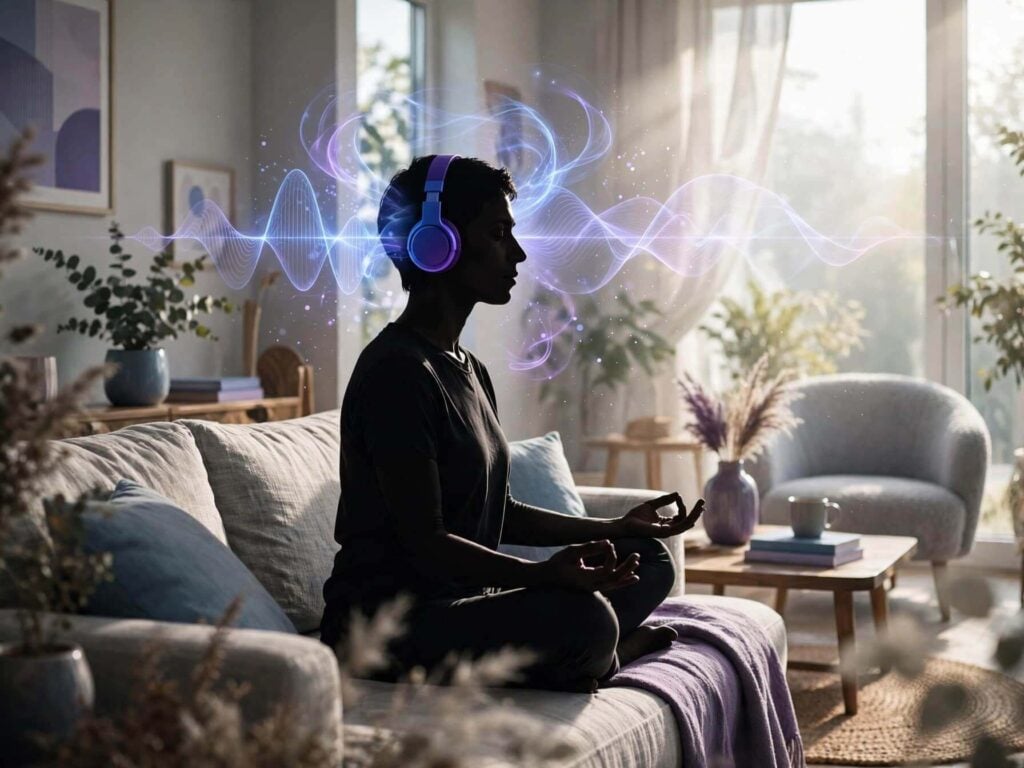
In holistic practices, music using 432 Hz frequency tuning is frequently explored alongside chakra meditation. Because 432 Hz is pitched slightly lower than standard audio, many listeners find its warm, organic tone soothing when focusing on their chakra centers. Using this style of mindfulness audio offers a subtle backdrop when doing energy work.
Which chakra resonates with 432 Hz music?
432 Hz music is a tuning reference rather than one of the traditional solfeggio frequencies. It’s commonly associated with three key chakra centers in energy work:
Third Eye Chakra (Ajna): In standard musical scales, the reference note A vibrates at 432 Hz. Making it a popular choice for encouraging mental clarity, intuition, and quiet reflection.
Root Chakra (Muladhara): Due to its warm and grounded quality, many people use 432 Hz audio during sound healing sessions. Focused on feeling centered and being present.
Heart Chakra (Anahata): The gentle, soft nature of 432 Hz music makes it an inviting pairing for meditation. Aimed at emotional balance and peace.
And if you’d like to learn more about chakras, here’s a post on How to know your chakras: 9 Steps for a deeper connection
What Does the Research Say About 432 Hz Music?
Research into 432 Hz music remains limited. A few small studies have explored how this tuning compares to standard harmonic frequencies. These initial findings offer interesting observations for relaxation and meditation, though sample sizes are small.
A 2019 pilot study with 33 volunteers compared music tuned to 432 Hz and 440 Hz. Researchers evaluated audio sessions and noted small shifts in heart rate and breathing during the 432 Hz period. A 2020 study involving 12 participants examined sleep quality using chosen tracks at both tunings. Sleep scores showed slight improvements after listening to 432 Hz tracks as a potential sleep aid, though stress scores showed no significant change.
A 2025 study evaluating 43 cancer patients listened to a live body monochord tuned to 432 Hz and 443 Hz. Heart rates decreased after both sessions, encouraging simple mental calm. Differences between the two tunings were minimal and mostly statistically insignificant.
Science is still exploring these areas. Today, many people explore 432 hertz solfeggio tracks almost as a therapeutic sound to enrich their daily routines. Ultimately, the best choice comes down to what feels right for you.
How to Use 432 Hz Music in a Simple Grounding Routine
A grounding routine gives us the opportunity to have our moment to “switch off,” unwind, and reconnect with whom we really are deep down.
Here is a simple approach:
Find a comfortable place: Sit somewhere in your private spot where you’re not disturbed
Select your music: Play a track at a comfortable volume using earphones or headphones to get the best quality.
Notice your surroundings: Feel your feet on the floor or notice your seat supporting your body
Breathe naturally: Keep your breathing simple without forcing a specific rhythm.
Listen for a few minutes: Let the 432 hertz solfeggio music play without expecting a set result.
Here’s 2 different Acoustic Soundscapes for Relaxation & Meditation, both with 432 Hz

432Hz Solfeggio Meditation Music

432Hz Solfeggio | Sacred Space
How Do You Choose Music to Listen To?
Start with the kind of music styles you already enjoy. Soft piano, acoustic arrangements, nature sounds, and ambient tracks can all suit a quiet setting.
A few simple ways to explore options include:
Revisit familiar favorites: You can start by searching for top songs in a 432 Hz version to compare how each pitch sounds.
Explore streaming albums: Look for instrumental music or quiet background pieces to use as part of your unwinding or meditation routine.
Explore music for focus and study: Soft background tracks can provide a quiet backdrop for reading, writing, or daily work. Instrumental pieces without vocal lyrics often help minimize distractions during tasks that require attention.
Try music for sleep and unwinding: Playing gentle acoustic or ambient audio in the evening can signal that it’s time to slow down. Setting a low volume creates a peaceful setting for winding down before bed. You can even pair your evening wind-down with reflections by reading through evening self-love quotes.
432 Hz vs. 440 Hz: Can You Hear a Difference?
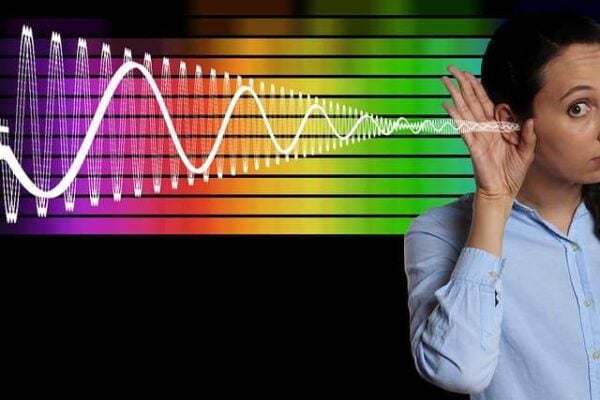
For most listeners, the difference between 432 Hz and standard 440 Hz tuning is subtle. Because 432 Hz is pitched slightly lower, the music often sounds a touch softer or warmer compared to commercial releases.
You don’t really need any special audio equipment to enjoy it. Testing both versions side-by-side with familiar acoustic pieces or ambient tracks is a simple way to discover which pitch feels most comfortable to your ears.
432 Hz vs. 528 Hz: What Is the Difference?
People exploring sound frequencies often compare 432 hz and 528 hz music. While both are popular in wellness routines, they serve slightly different roles.
432 Hz is an overall tuning standard. It lowers the pitch of an entire musical piece just a touch below standard concert tuning.
528 Hz is a specific tone within the traditional Solfeggio scale. It’s often played as a single tone or woven into ambient soundscapes.
Neither frequency is superior to the other. Testing both in quiet settings is a simple way to discover which sound style feels most relaxing to you.
Frequently Asked Questions
Is 432 Hz music a Solfeggio frequency?
The phrase 432 hertz solfeggio often appears in wellness searches. However, 432 Hz is generally discussed as a tuning reference. While traditional Solfeggio frequencies belong to a separate set of scale notes used in spiritual traditions.
Is 432 Hz better than 440 Hz for meditation?
There is not enough evidence to say that one tuning is better than the other for meditation. The music itself, the listening environment and personal preference may all influence how enjoyable the experience feels.
Can 432 Hz music help with sleep?
A small study has explored sleep-quality scores after listening to music tuned to 432 Hz, but this does not establish that the tuning reliably improves sleep for everyone. If the music feels pleasant as part of an evening routine, it’s one option to try.
Do you need headphones to listen to 432 Hz music?
You can listen through headphones, earbuds or speakers. Choose whichever option feels comfortable for the setting, and keep the volume at a pleasant level.
Final thoughts
This guide to 432 Hz music offers simple ways to explore relaxation and grounding in a daily routine. The soft tones help create a cozy vibe, almost like a soothing form of sound therapy where the mind unwinds. Making time for quiet moments can look different for everyone. Whether that’s a brief pause for peace, being mindful of the present moment, or simply bringing a little Zen life into a daily routine.
Here’s a few popular posts you may want to explore:
Create an Uplifting Space: Discover simple ways to surround yourself with positive energy and build a welcoming home atmosphere that fuels good vibes.
Curious about meditation or hypnosis: Explore which practice fits your routine best with our guide on hypnosis vs. meditation.
Put Pen to Paper: Play a soft background track and explore your thoughts with these journal prompts for mindfulness.