Originally published on 6th April 2024. Fully updated as of 19th April, 2026.
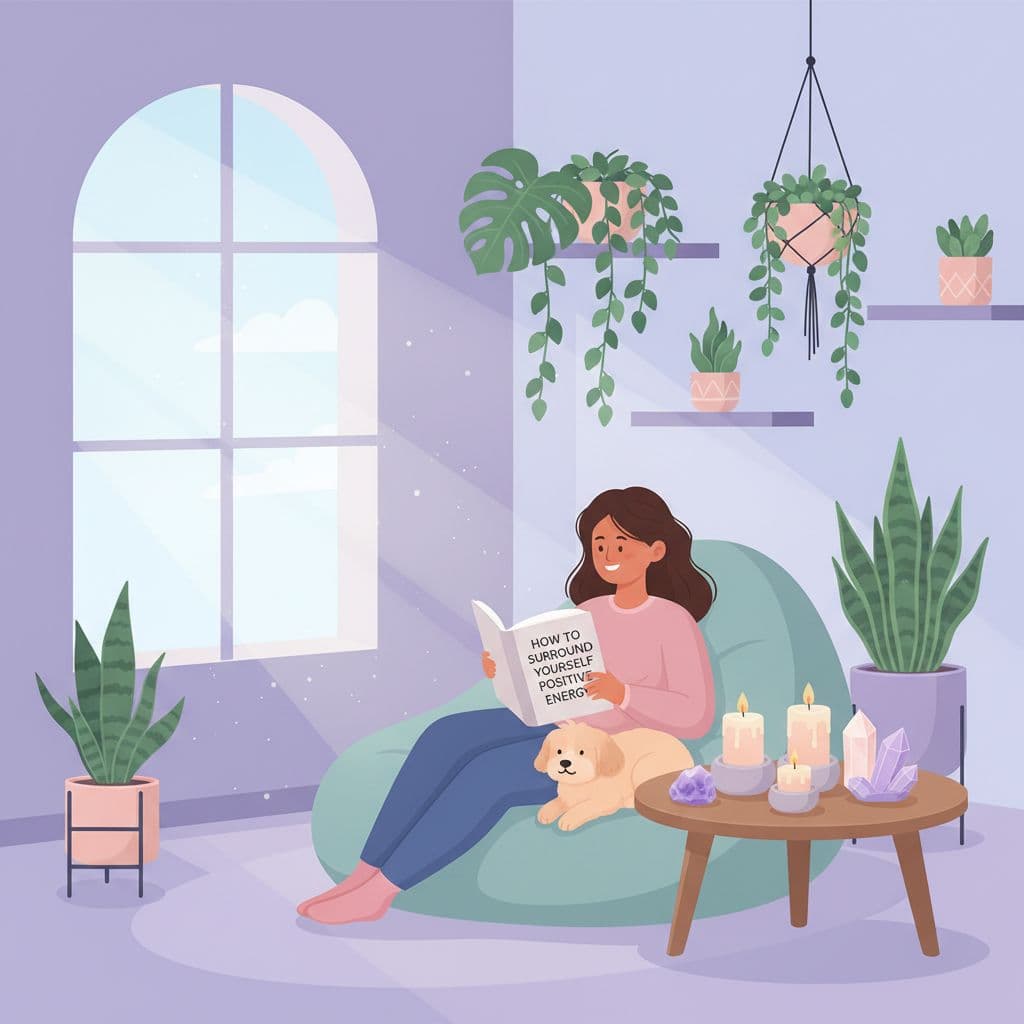
Learning how to surround yourself with positive energy often comes back to the everyday things around us. Our environment. Our own habits. The people we spend time with. We won’t always have a say over all of these things. Simply becoming more mindful of what we can shift, even in small ways, can be a meaningful starting point. And that can ripple into the energy we bring into our daily life.
Modern life can feel like a constant stream of pressure. Stress is incredibly common, and it builds quietly over time. Work, finances, and everyday uncertainty are some of the most reported sources, and all of that can show up in our mood, our focus, and our mental well-being.
Here’s the thing though — positive energy isn’t about forcing optimism or pretending everything is fine. It’s about exploring the things we may be able to shift, in ways that can help support our overall sense of balance. And research in wellbeing keeps pointing us back to these everyday factors and their impact on our emotional health and life satisfaction.
In this guide, we’ll walk through 11 practical ways to surround yourself with positive energy. Simple, realistic ideas to explore and apply in daily life, with a focus on our environment, habits, and mindset.
Key Takeaways: How To Surround Yourself With Positive Energy
- How environment affects wellbeing. A supportive environment can have an influence on mental well-being and stress levels.
- Positive people and nurturing relationships are an important part of wellbeing and personal balance.
- Daily habits like gratitude and mindfulness help with cultivating a positive mindset.
- Even small, consistent lifestyle changes can contribute to a greater sense of uplifting energy in daily life.
- Limiting negativity: Letting go of toxic relationships and negative influences gives us more room for supportive habits and healthier connections.
- Learning to set healthy boundaries and audit our circle are powerful acts of personal growth and character development.
Does Positive Energy In Everyday Life Matter?
Yes — and more than we might realise!
It plays a key role in shaping how we think, feel, and show up each day. Our environment can either support clarity and calm or contribute to stress and overwhelm. And that’s worth paying attention to.
Being mindful of the positive and negative influences around us helps us maintain emotional balance. By making conscious choices and setting healthy boundaries, we create more space for focus, resilience, and overall wellbeing.
What Does Science Say About Positive Energy?
“Positive energy” isn’t a scientific term. But it refers to positive emotional states such as joy, gratitude, calm, and connection.
Research shows these states are linked to measurable effects in the body. That includes lower stress hormones and better emotional regulation. It’s also linked to increased activity in brain regions responsible for decision-making and self-control.
The broaden-and-build theory is worth knowing about too. It suggests positive emotions expand our thinking patterns. And help build long-term emotional and social resources.
Benefits Of Surrounding Yourself With Positive Energy
Surrounding yourself with positive people and uplifting energy supports both our mental and physical wellbeing. And the benefits go beyond just feeling good in the moment.
These may include:
Improved emotional balance and mental well-being
Lower stress levels — especially when supported by nurturing relationships
Stronger connections — positivity has a way of spreading
Increased motivation and clearer thinking
Greater emotional resilience when facing challenges
Better problem-solving and creativity
A positive mindset that supports overall physical health
A stronger sense of purpose and life satisfaction
11 Ways On How To Surround Yourself With Positive Energy
Each section includes a reflective question to help explore our own life and habits a little more deeply. It’s a chance to notice what’s working, what’s not, and where we might want to make small but meaningful shifts.








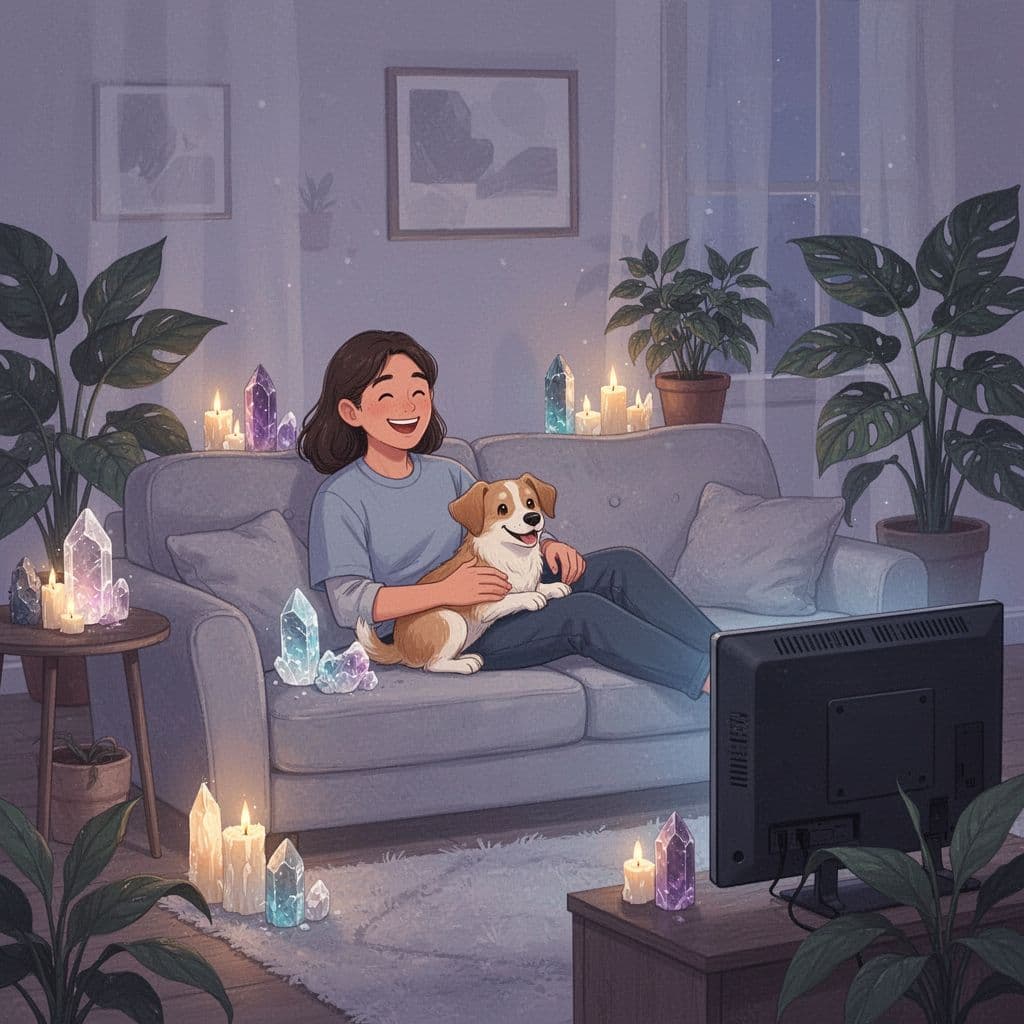
1. Is Self-Care Part Of My Routine?
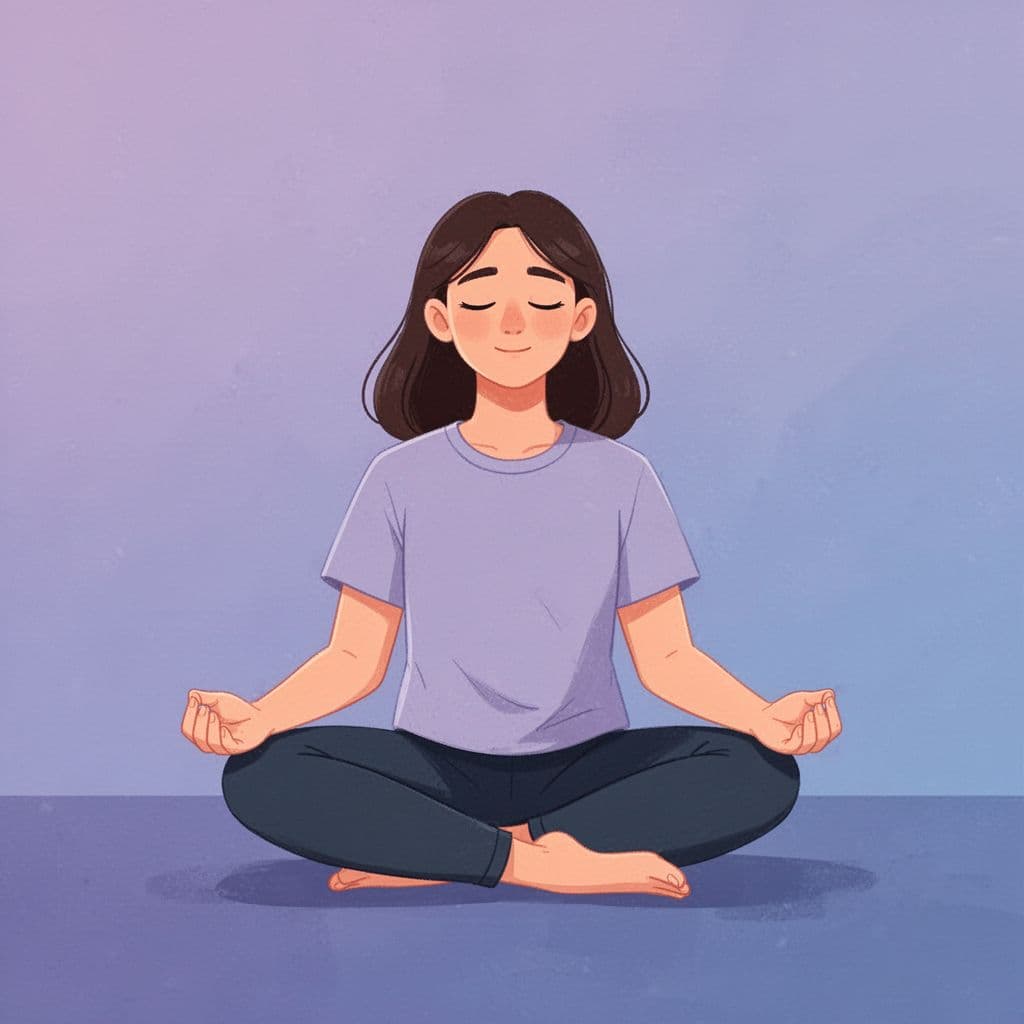
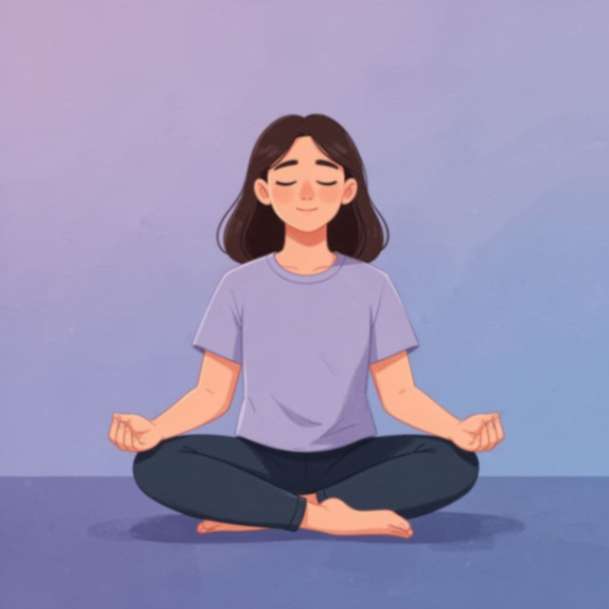
Self-care isn’t just spa days or bubble baths — although those are nice too! At its core, it’s about maintaining our mental, emotional, and physical energy so we don’t run on empty.
Think of it as recharging an internal battery. When it runs low, everything feels harder. Patience shrinks. And negative influences can slip in faster than we realise.
Here’s a few practices worth exploring:
Breathwork — conscious breathing may support nervous system calm and a greater sense of relaxation.
- Yoga or gentle movement — light movement and stretching may encourage emotional well-being and a sense of calm.
Meditation — linked to reduced anxiety, better emotional regulation, and mental clarity.
Rest and sleep — foundational to emotional resilience and personal growth.
Reiki — a Japanese practice used as a tool to encourage relaxation and calm.
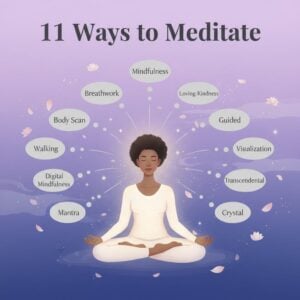
If you’re exploring meditation practices, you can check out our guide on: 10 Different Ways to Meditate: For Calm, Focus & Mindfulness.
2. How Do My Words Shape My Energy?
The words we use have a powerful effect on how we experience the world. Both when speaking to others and when talking to ourselves. Language doesn’t just describe our reality. It actually shapes it.
When our inner dialogue becomes overly critical, it can reinforce stress and self-doubt. Becoming more aware of this is a powerful step. Choosing more forward-thinking, growth-oriented language helps shift perspective. It keeps us moving forward rather than staying stuck.
Small shifts in language can make a difference over time:
“I can’t do this” → “This is challenging, but I’m going to take it one step at a time”
“Everything is going wrong” → “This is difficult, but I’m working my way through it”
“I always fail” → “I’m learning and improving each time”
And if you’d like a confidence boost, here’s our guide to: 90 Confidence Affirmations To Believe In Your New Self.
3. Are Positive Quotes & Affirmations Helpful?
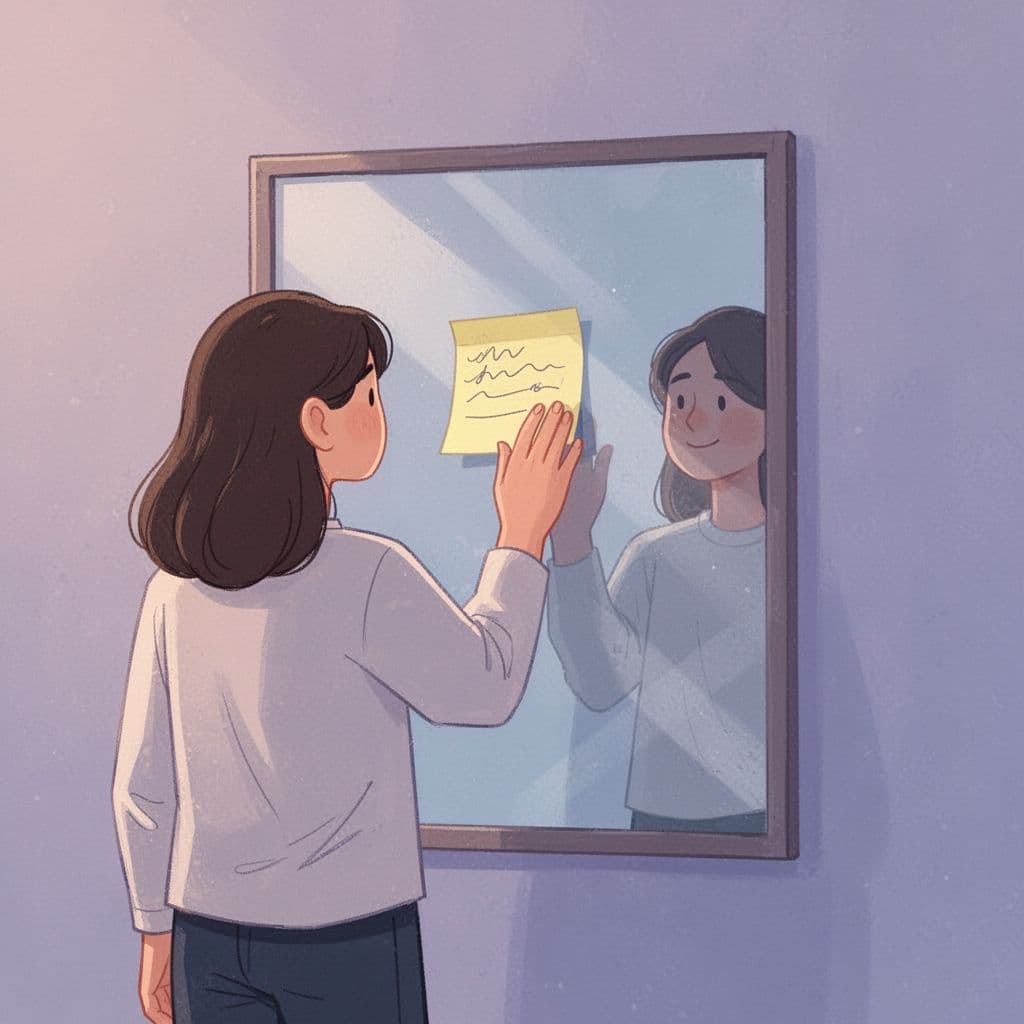
Positive quotes and affirmations act as visual reminders throughout the day. They give the mind a more supportive narrative to return to — especially when a negative thought starts to creep in.
Research published in Social Cognitive and Affective Neuroscience suggests that self-affirmation may activate brain systems linked to reward and positive self-processing. The effect appears strongest when affirmations are connected to things we genuinely care about. Read the research here.
The key is choosing phrases that feel realistic and meaningful. Forced affirmations tend to lose their grip. The ones that resonate emotionally tend to be the ones that actually stick.
Always keep them visible in simple places like:
Bathroom mirror — seen first thing every morning and evening.
Phone lock screen — visible throughout the day.
Desk or workspace — a quiet anchor during busy hours.
Inside a journal or planner — personal and private.
To get started, here are 9 quotes ready to use. Or find one that really speaks to you over at Brainy Quote. You can even create your own!
And, if you’d like more inspiration, check out our post with 30 “I Am Enough” Quotes to Empower Yourself Now !


4. Have I Made Gratitude Part Of My Day?
Gratitude isn’t just a feel-good habit. It’s a well-researched practice linked to emotional wellbeing and resilience. It helps shift our attention away from stress and toward what is already present and meaningful.
As Oprah Winfrey once said: “Be thankful for what you have; you’ll end up having more.” And research seems to agree.
Psychologist Robert Emmons found that people who kept weekly gratitude journals reported higher optimism and fewer physical symptoms.
Over time, regular gratitude practice may help gently shift attention toward positive experiences, offering a counterbalance to our brain’s natural negativity bias. Our tendency to notice negative experiences more strongly than positive ones.
A simple daily practice to try:
Each evening, write down three specific things you’re grateful for.
Be detailed — not just “my family” but how they showed up that day.
Notice how this small shift in attention changes how you close out the day.
Curious about exploring this further? Here’s our post onTips for Keeping a Gratitude Book & How Can it can Help You.
Or if you’d like something ready to go, this 5 Minute Gratitude Journal has prompts built in. So there’s no overthinking, just showing up for yourself..
5. Do the People Around Me Influence My Energy?
Jim Rohn built much of his philosophy around one powerful idea. That who we surround ourselves with quietly determines who we become.
It’s something many of us intuitively recognise. Our inner circle shapes us more than we realise. Positive people lift our energy. They boost our mindset and motivation. Your vibe attracts your tribe. And that works both ways.
Energy suckers usually do the opposite. They leave us feeling flat and drained.
Psychologists call this emotional contagion. Researchers Elaine Hatfield, John Cacioppo, and Richard Rapson found that we automatically mirror the facial expressions, voice tone, and body language of those around us. That mirroring shapes our own emotions.
Researchers Emma Seppälä and Kim Cameron explored this further. He found that positive relational energy — the energy exchanged between people that uplifts and renews them — is one of the strongest predictors of success in both life and work.
This is why it pays to audit your circle. Not to judge others. But to become aware of where you invest your time and emotional energy. Bad company, even unintentional, quietly dims our drive. Learning to set boundaries around who gets your energy is one of the most empowering moves you can make.
Mindful Checklist — Exploring Current Circles of Positive Influence
Take a few honest minutes to mindfully look at your circle of influence. Notice how your interactions tend to leave you feeling.
Energy Boosters | Energy Drainers |
Leave us feeling inspired or calm | Leave us feeling tired or drained |
Encourage our goals and growth | May dismiss or downplay our ambitions |
Communicate with honesty and care | Can lead to tension or unnecessary conflict |
Support us during challenges | May contribute to feelings of self-doubt |
Celebrate our wins | Sometimes respond with envy or negativity |
And if in-person connections feel limited right now, digital spaces can offer a genuine sense of community too. Whether it’s an online group, a networking community, or simply a podcast. There are always different ways to connect with like-minded people and positive energy without needing to be in the same room.
Looking for some inspiration? These talks are worth exploring:
6. How Is My Inner & Outer Landscape Affecting My Energy?
Our energy is shaped by both internal thoughts and external surroundings. And we can’t always address what we haven’t yet named. Identifying where negativity enters our lives and learning to limit negativity is a helpful first step.
This includes:
Relationships
Physical environment
Internal dialogue
Digital consumption
All of which we explore throughout this guide.
Quick self-reflection checklist:
- Am I sleeping enough and waking feeling reasonably rejuvenated and restored?
- Have I spent time outside or moved my body recently — and did it leave me feeling refreshed?
- Am I spending time with people who genuinely lift and inspire me?
- Is the way I’m talking to myself kind — or is it quietly draining me or keeps me doubting myself?
- Have I done anything recently that genuinely recharges and fulfils me?
- Am I setting boundaries that protect my wellbeing and inner calm?
7. Am I Focusing on What I Can Control in My Daily Life?
Many sources of stress are outside our reach. News headlines, other people’s opinions, unexpected events. These are part of life.
What we can influence is where we place our attention and how we respond. Spending too much energy on things beyond our control leaves us feeling drained. Shifting focus toward what we can manage gives us a sense of ownership over how we feel.
This includes:
Our habits
Our responses
The boundaries we set
The routines we can build each day
If this resonates, exploring ways of empowering your mindset can be a really helpful step on this journey.
8. How Mindful Am I of Social Media & News In 2026?
We live in an era of constant information and ever growing digital consumption. Being intentional about what we let into our minds is more important than ever.
Research published in Health Communication found that problematic news consumption was linked to higher stress, anxiety, and physical discomfort.
In February 2026, Johns Hopkins Bloomberg School of Public Health hosted a briefing on the evolving role of digital media and wellbeing. Including the science around social media and addiction.
What we take in shapes our mood, mindset, and energy. Ongoing exposure to negative content may even trigger a stress response, including higher cortisol levels. This can affect sleep quality and how we feel the next day.
Some helpful changes to consider:
- Set digital boundaries — especially in the evening.
- Reduce unnecessary scrolling.
- Unfollow accounts that consistently trigger comparison or anxiety.
- Follow content that inspires creativity and personal growth.
- Take regular breaks from news.
- Start the morning without a phone — even 15–30 minutes can set a gentler tone.
9. Are Uplifting Activities Part of My Life?
What truly brings you alive? Not just what passes the time — but what genuinely sparks something inside.
Hobbies, creative outlets, time in nature, and meaningful connection aren’t luxuries. They’re essential for our emotional energy and overall wellbeing. The motivational influences we surround ourselves with — including the activities we choose — play a bigger role than we often realise.
Research involving nearly 1,400 participants looked at how frequently people engaged in enjoyable leisure activities. Those who did so more often reported greater life satisfaction, lower depression, and reduced cortisol levels.
Laughter is worth mentioning here as well. Research published in the Journal of Hospital Medicine suggests it may help ease tension and replenish emotional energy. And laughter often comes naturally when we’re doing things we genuinely enjoy.
A few uplifting activities worth exploring:
A hobby you loved but quietly let go of — art, music, writing, or gardening
Outdoor activities that combine movement with fresh air — walking, hiking, or cycling
Volunteering or acts of service — giving back can expand our circle of positive impact
Creative expression of any kind — making something with your hands is deeply grounding
10. How Do I Connect With My Inner Strength?
Inner strength isn’t something we either have or don’t have. It’s something we develop over time. And self-reflection can be a quiet but powerful place to start.
Thoughtful questions have a way of revealing insights we don’t always notice in the moment. For example: “What challenges have I overcome that I rarely give myself credit for?”
Sitting with questions like that is often where we begin to recognise our own progress. And that progress matters, because growth has a way of happening without us fully registering it. Yet it’s often right there, within that unnoticed growth, that our inner strength has been taking shape all along.
A few practices you might want to explore:
Journaling —helps us track patterns in our thoughts, notice emotional triggers, and recognise our own growth. All of which can quietly build mental strength over time.
Here you can explore 5 powerful benefits of keeping a journal.
Self-reflection — thoughtful questions can reveal insights we often overlook. For example: “What challenges have I overcome that I rarely give myself credit for?”
Recognising personal progress — we often overlook how far we’ve come. Pausing to acknowledge growth matters.
The more we practise connecting with our inner strength, the easier it becomes to access during difficult moments.
Reading can also be a powerful tool for building inner strength. Here are a few titles worth exploring — available in paperback, hardcover, Kindle, or Audible:
The more we practise connecting with our inner strength, the easier it becomes to access it during difficult moments.
Check out our guide: Take a Breath and Stand In Your Power Now.
11. Is My Home & Workspace Supporting My Energy?
Our environment influences how we feel more than we might realise. A space that feels calm and intentional helps reinforce emotional balance and a more positive mindset.
Small changes can create a more supportive space:
Adding natural light or plants
Reducing clutter
Creating calming areas
Using scent or lighting intentionally
Ready to bring more nurturing energy into your space? Let’s explore some of these a little further.
Can Plants & Natural Elements Lift Our Energy?
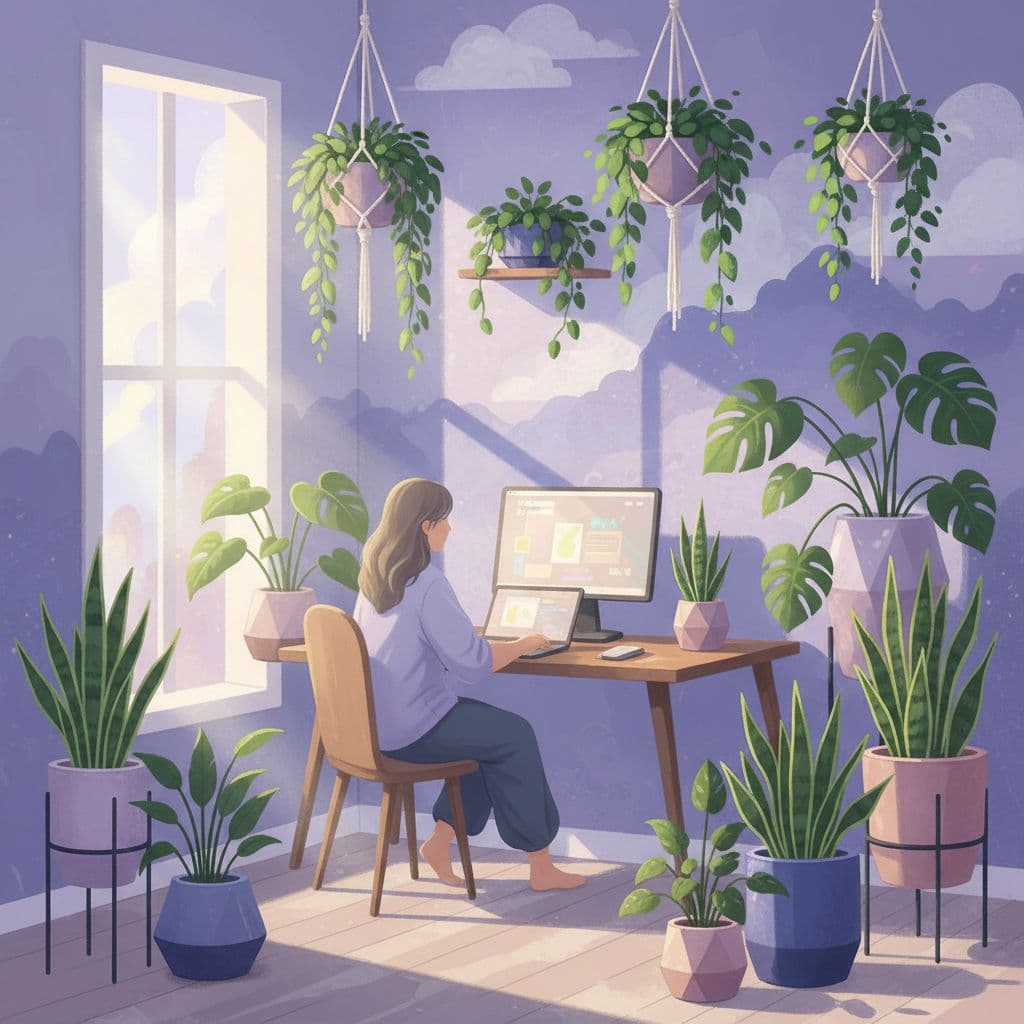
Living plants are often associated with a greater sense of calm. Some research suggests they may help reduce psychological stress and support a more relaxed indoor environment (Bringslimark et al., Journal of Environmental Psychology).
Natural materials like wood, stone, leaves, or water features, also shift the feel of a space. These elements don’t need to be large or elaborate. Even small elements can help create a softer, more grouonding atmosphere.
Does Natural Light & Fresh Air Make A Difference?
Bringing in natural light and fresh air can influence the feel of our home and our mood within it. Sunlight helps our bodies maintain a natural rhythm for sleep and wake cycles — supporting energy and mood throughout the day.
Research shows that increasing airflow and ventilation can improve indoor comfort and reduce the build-up of indoor pollutants. It all helps create a home environment that feels supportive, balanced, and calming.
Can Scent Influence The Energy Of A Space?

Our sense of smell has a direct connection to the area of the brain that processes emotion and memory. This is why certain scents can help create a more uplifting atmosphere.
Lavender — studies have found that the calming scent of lavender oil may help reduce feelings of anxiety in some people.
Citrus — often described as fresh and uplifting
Frankincense — widely used in meditation for its grounding and focus-supporting qualities
Personal preference plays a big part. Even a simple diffuser or candle is an easy way to introduce scent into a space.
Can Crystals Help Me Surround Myself With Positive Energy?
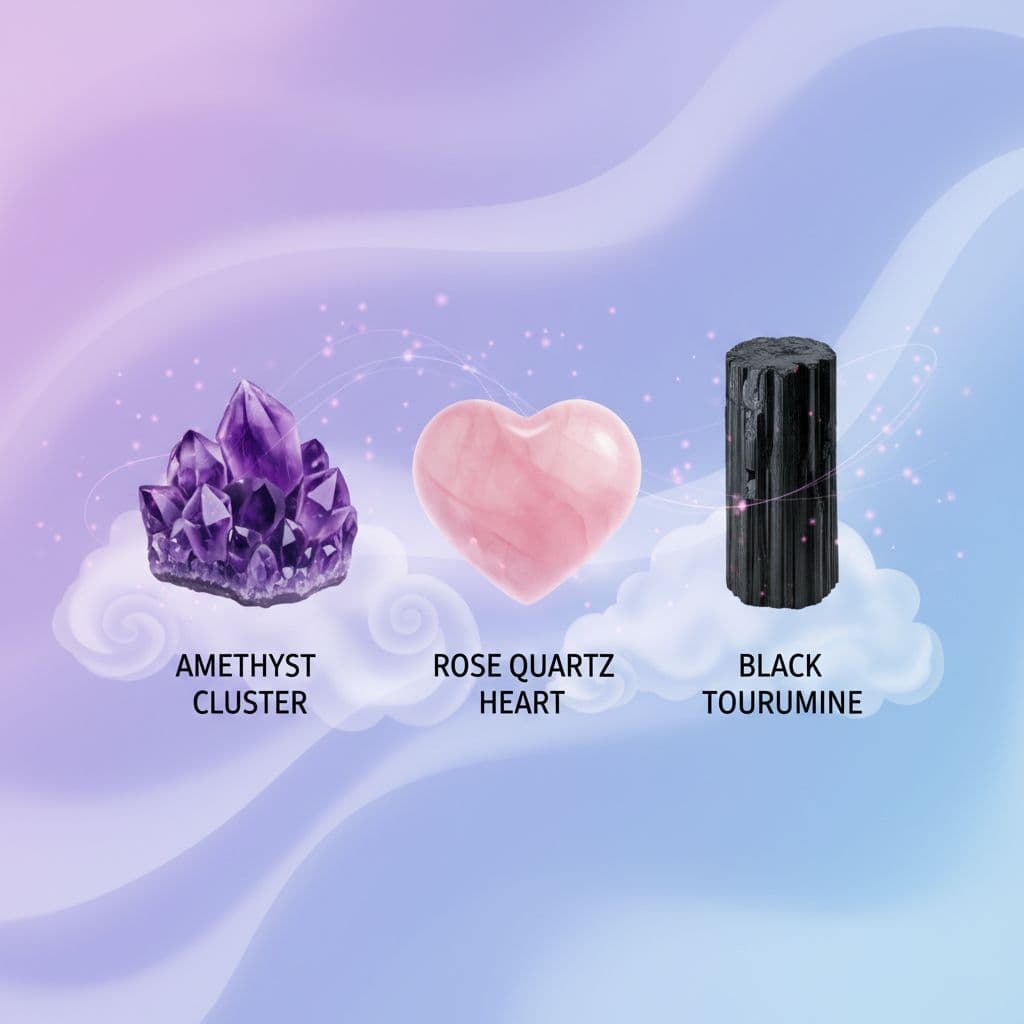
Crystals have been used across many cultures and traditions — including feng shui — as tools for intention-setting, mindfulness, and grounding. Stones like amethyst, rose quartz, and black tourmaline are commonly placed in living spaces or meditation areas as part of a broader holistic practice.
Scientific evidence for crystal healing is limited. That said, many people find value in them as simple, personal anchors for focus, reflection, and inviting a sense of calm and positive energy into their space.
Curious about exploring crystals further? Explore Rose Quartz Crystals: What Are 8 Popular Shapes & Uses or browse our Crystals Must Haves
What Colour Brings Positive Energy Into My Home?
Colour psychology suggests different colours can influence mood and emotional responses. These responses are also shaped by personal experience and cultural background. There’s no single colour that represents positive energy for everyone.
That said, research does show some consistent patterns. A large review of colour–emotion studies found that people tend to associate certain colours with similar feelings.
Colour | Common Association | Best Used For |
Yellow | Warmth, optimism, energy | Accents and soft tones; intense yellow can feel overwhelming in large amounts |
Green | Calm, harmony, balance, renewal | Spaces where restoration and equilibrium matter |
Blue | Calm, clarity, stress reduction | Bedrooms, meditation spaces, and areas for winding down |
Earth tones | Grounding, stability, belonging | Any space; connects to nature and promotes a settled feeling |
What colour helps you feel like you’re surrounded by positive energy?
Which Symbols Of Positive Energy Resonate With Me?
Symbols have carried meaning across cultures for thousands of years. They can serve as quiet anchors — visual reminders of intentions and values that matter to us. Placing meaningful symbols in our space can add another layer of intentional positive energy.
Here are 3 popular symbols we’ll look at.

The Om Symbol
Originating from Hindu and yogic traditions, the Om (or Aum) is one of the most significant spiritual symbols. It represents the essence of the universe and is often associated with:
Universal consciousness and unity
Inner peace and spiritual awakening
Interconnectedness of all living things

The Hamsa Hand
The Hamsa Hand is one of the world’s oldest protective symbols. An open palm with an eye at its centre, recognised across many cultures. Often associated with:
Protection against negative energy
Peace and harmony
Strength and prosperity
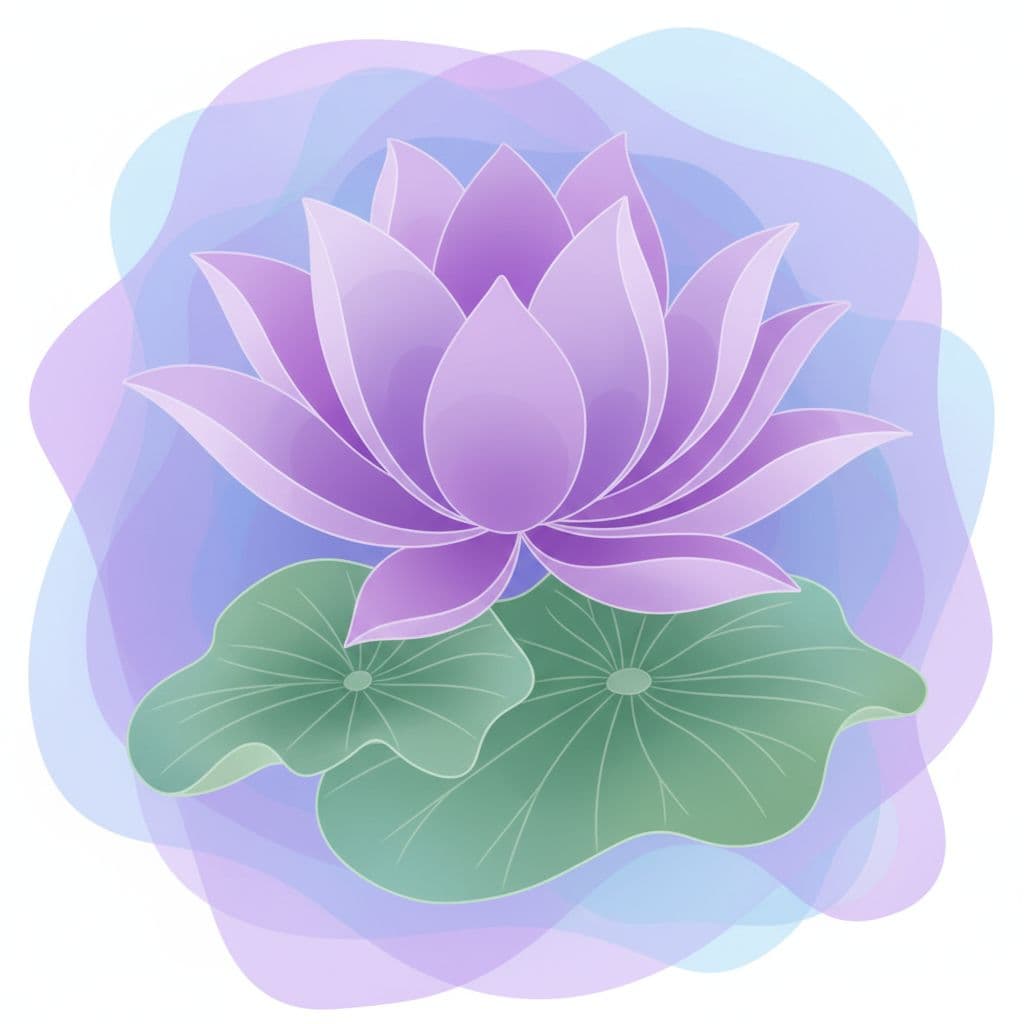
The Lotus Flower
An aquatic plant that grows in muddy water and blooms above the surface. Lotus flower is a powerful metaphor for resilience and transformation. Often associated with:
Spiritual awakening and personal growth
Resilience and new beginnings
Purity and strength emerging from difficult environments
Which Products Would Support The Energy Of My Space?
Here are a few handpicked products inspired by the ideas we’ve explored:
- 7 Chakra Healing Scented Candles Set– Promote balance, calm, and energy alignment throughout your home.
- Crystals and Stones Kit – Ideal for grounding, intention-setting, and creating a mindful environment.
- Meditation Cushion Set– This one is about supporting a comfortable, consistent meditation practice at home.
Want to explore more tools to enhance your meditation and home energy? Check out our guide 7+ Best Meditation Tools for Beginners: Some Are Must-Haves
Quick Summary: How To Surround Yourself With Positive Energy
Perhaps there’s one small habit that feels right to start today. As you explore these different ways to surround yourself with positive energy, every small step is worth taking.
Here’s a quick overview:
| Positive Energy Habit | Simple Action You Can Take Today |
Self-Care | Start with just five minutes. Try breathwork or a moment of stillness. |
Choose Your Words Wisely | Notice your words today, toward yourself and others. Choose ones that empower rather than disempower you. |
Quotes and Affirmations | Place one meaningful quote somewhere you’ll see it first thing each morning. |
Gratitude | Write three specific things you’re grateful for every day. |
Your Social Circle | Spend more time with people who genuinely lift you up. |
Identify Negative Energy | Name one source that drains you and set a small boundary around it. |
Focus on What You Control | Redirect energy toward your habits, responses, and boundaries. |
Limit Negative News & Social Media | Create one digital boundary this week. |
Positive Activities | Revisit one hobby or activity you truly enjoy but haven’t done for some time. |
Discover Inner Strength | Try one journaling prompt this week. Write about a past success and what it revealed about you. |
Your Home Environment | Make one small change this week to create a more ambient, inviting and energetic space. |
FAQ on How To Surround Yourself With Positive Energy
How Do You Remove Negative Energy From Your Life?
Start by identifying what’s affecting your mood or energy, such as certain environments, habits, or relationships.
Then make small, practical changes. Like setting boundaries, limiting exposure to stressful inputs, or creating a more calming space.
Small steps are often easier to stick with.
Can Positive Energy Be Scientifically Measured?
“Positive energy” isn’t a scientific term, but it usually refers to positive emotional states like feeling happy, calm, or engaged.
These are measured using established psychological techniques, tools and methods. They’re also linked to measurable physical changes in the body. Such as shifts in cortisol, dopamine, and other hormones that influence how we feel and function. So while the term itself isn’t used in science, what it describes is very much measured and studied.
Are There Specific Daily Habits To Surround Yourself With Positive Energy?
Some simple habits worth trying:
- Start your morning with a few moments of stillness or intention before the day kicks in.
- Get outside and breathe in some of that amazing fresh air — it’s like a clean slate of energy for the whole body.
- Move your body in a way that feels good to you.
- End the day by noting one thing you’re grateful for.
- Limit time with people or content that consistently leaves you feeling drained.
Find what breathes energy into your mind, body and spirit — and build from there.
How Can I Surround Myself With Positive Energy If My Current Social Circle Is Negative?
It helps when you take a quick step back to reflect on how certain interactions make you feel. Notice who leaves you feeling uplifted and who leaves you feeling drained. From there, being mindful about who you want to spend more time with can be a good place to start.
How Can I Surround Myself With Positive Energy At Work?
First, set the tone for your day with one mindful intention.
Try personalising your workspace with something that brings you a little joy to spark a great vibe during your day.
Be mindful in leading the style of conversation you’d like to engage with can make a huge shift in the day.
Even taking a small break away from your desk gives your energy a chance to reset.
A positive work environment often starts with the little choices you make each day.
How Can I Surround Myself With Positive Energy When Living With Negative Family Members?
I’m sure this one is close to home for many of us!
Create a small personal space that feels like your own vibe. Think of it as your “nurture to empower” battery recharge place.
Choose an uplifting routine in that space, like watching something hilarious for a quick pick-me-up. Or some breathwork to help regain balance.
Being mindful of the conversations you choose to engage in matters too.
Set small boundaries to keep you grounded.
Because what if protecting your own energy was one of the most generous things you could do? For yourself, and for the people you love. When your cup is full, you simply have more to give.
Final Thoughts On How To Surround Yourself With Positive Energy
Surrounding yourself with positive energy isn’t about big overnight changes. It starts with small, daily choices. The ones that gradually shape how we think, feel, and show up each day for ourselves and others.
From gratitude and supportive relationships to calming spaces and mindful habits. Each step is part of the journey forward.
Start with whatever area of life feels like it needs a little more attention right now. Every small step brings you closer to the energy you want to create in your life. You’ve got this — because you’re a positivity ninja! 🥷
And explore more tools, practices, and inspiration over at Positive Zen Energy.