Originally written in 2021, fully updated on 2nd Feb, 2026.

When we talk about positive energy at home, we’re usually talking about something simple. It’s when our space feels lighter, calmer, and easier to live in. We sleep a bit better, we snap less, we recover faster after a rough day. And it’s not such a battle to focus when we need to. So let’s see if these 4 secret tips to create positive energy at home can make your space the peaceful retreat you totally deserve.
The good news. You don’t need a total remodel, a perfect minimalistic house, or a strict spiritual routine to change the feel of your home. Small, low-cost shifts can create real transformation.
Some of the approaches we’ll explore come from holistic traditions (like Feng Shui principles, crystals and stones, and smoke-free cleansing alternatives). Others line up with what environmental psychology and wellness research has been saying for years about clutter, light, and comfort.
Key Takeaways on Secret Tips to Create Positive Energy at Home
- Creating a positive home environment isn’t about belief alone. It’s about intention, atmosphere, and the cues we surround ourselves with.
- Crystals and stones can be appreciated as symbolic focus tools, natural décor, or meaningful elements inspired by tradition, nature, or science. Not just for their perceived “magic.”
- Natural light and greenery play a practical role in how a space feels. With research linking daylight and nature exposure to improved mood and overall well-being.
- If you’re sensitive to scent or smoke, positive changes can still be made. Using fresh airflow, calming background sounds or music. Even low-sensory choices such as unscented products, neutral colours, and uncluttered spaces.
What Does "Positive Energy at Home" Really Mean?
Our home isn’t just where we sleep or keep our belongings. It’s where our whole being—mind, body, and nervous system—can genuinely feel good and relax. That’s what positive energy at home really means.
It’s not some mystical force, but a space that supports who we are and how we want to feel. Because our journey with growth isn’t just internal. It’s reflected in the spaces we create around us.
So, when our space feels chaotic, our body stays on alert. When it feels supportive, we downshift. That shift affects our stress levels. How well we sleep, and even how we interact with the people we live and work with.
Here’s more on healthier home setups from Mental Health America’s guide on creating a healthy home environment. Environmental psychology also looks at how design affects mood and behavior (see Environmental Psychology: Understanding Its Role in Residential Design.)
Even simple shifts in light, color, or layout can influence how we feel moment to moment. It’s a strong reminder that emotional wellness is also shaped by what we live with every day.
So, let’s get into the secret tips to create positive energy at home.

Secret Tip 1:
Intentional Spaces and Resetting Entryways to Create Positive Energy at Home
Always start at the front door. This is one of the secret tips to create positive energy at home. If we want the biggest mood shift in the smallest time, we really need to start at our entryway.
Why? Because it’s the first place our brain checks when we’re coming home.
If our entry is cluttered, dim, or chaotic, we can often feel stressed before we’ve even taken our shoes off. If it’s clear and welcoming, our whole body gets the message, “Welcome home! You’re safe and can relax now.”
In Feng Shui, the front door is a key point for chi energy flow. It’s considered part of the commanding position of your home.
And, even if we’re not strict about feng shui, the idea starts to make sense, right?

Think of it this way, the entry is our psychological “portal.” So, if you do like feng shui color ideas for the door itself, here’s How to Pick a Front Door Color With Feng Shui. There might be some options you haven’t thought of yet?
Picture this: we’re walking up to our home after a long day. Maybe there’s clutter on the porch, a messy doormat, or wilted houseplants and flowers by the entrance.
Then we open the door, step inside, and there’s a pile of shoes, unopened mail, and a bag we meant to unpack three days ago. Our shoulders start to tense, as our mind sees clutter as unfinished business.
We don’t need to “analyze” it—our body already did.
A 10 Minute entry reset we can do today
Start outside entry point first:
- Clear the porch or doorstep of any clutter or items that don’t need to be there.
- Refresh the houseplants and flowers. If you can’t revive the wilted ones, swap in something lively and more thriving. Make the plants align with who you are. Example – “tropical” or “formal”?
- Get a more inviting doormat. Maybe even one with a slogan or design that makes you smile or laugh when you arrive at your door. This automatically shifts the vibe.
- Add soft lighting setup near the doorway. A small solar porch light or lantern, to create a warm welcome before you even step inside.
Now let’s move inside:
- Clear a straight floor path to and from the door. Who wants to be zigzagging around shoes or bags, right?
- Maybe you can even get a tidy closed-up box or basket where you can toss shoes, bags, or daily clutter. As the contained box always looks neat even when it’s full.
- Perhaps add a scented candle with a fragrance that helps your senses relax. Creating an ambient feel the moment you step through that threshold, it’s simple right? The aromatherapy and scent approach can shift a mood instantly.
- Even add a welcoming object (a lovely bowl for keys, or a meaningful personal memento.)
Then pause for a moment and ask yourself: How do I feel now?
This kind of intentional design helps us reset the tone from the moment we approach our doorway.
Set Intentions for Each Space in Your Home
So why would we want to set intentions for each space of our home?
Because life gets busy, and over time, our rooms can drift from their original purpose.
The bedroom that’s meant for rest starts collecting work laptops, electronic devices, and laundry piles.
The dining table becomes a permanent spot for mail and paperwork.
It’s not that we don’t know what these rooms are for. It’s just that daily life has a way of blurring those boundaries.
But here’s what happens: when a room tries to do too many things at once, our brain struggles to switch modes.
We want to relax in the bedroom, but our eyes keep landing on the laptop, pile of unfolded clothes, broken things we’ve been meaning to fix, or the work bag in the corner.

Our body picks up on those visual cues and stays partly switched “on.”
Setting a clear intention for each space is about reclaiming its original purpose.
It’s a simple mental anchor that helps us make better decisions about what belongs there and what needs to be relocated.
When we remind ourselves “this room is for rest” or “this space is for connection,” it becomes easier to protect that boundary.
Here’s a thought, why don’t you try assigning one intention per space? It could actually be fun. Maybe even create a vision board or nice frame and hang it on the wall as a boundary reminder.
Something like:
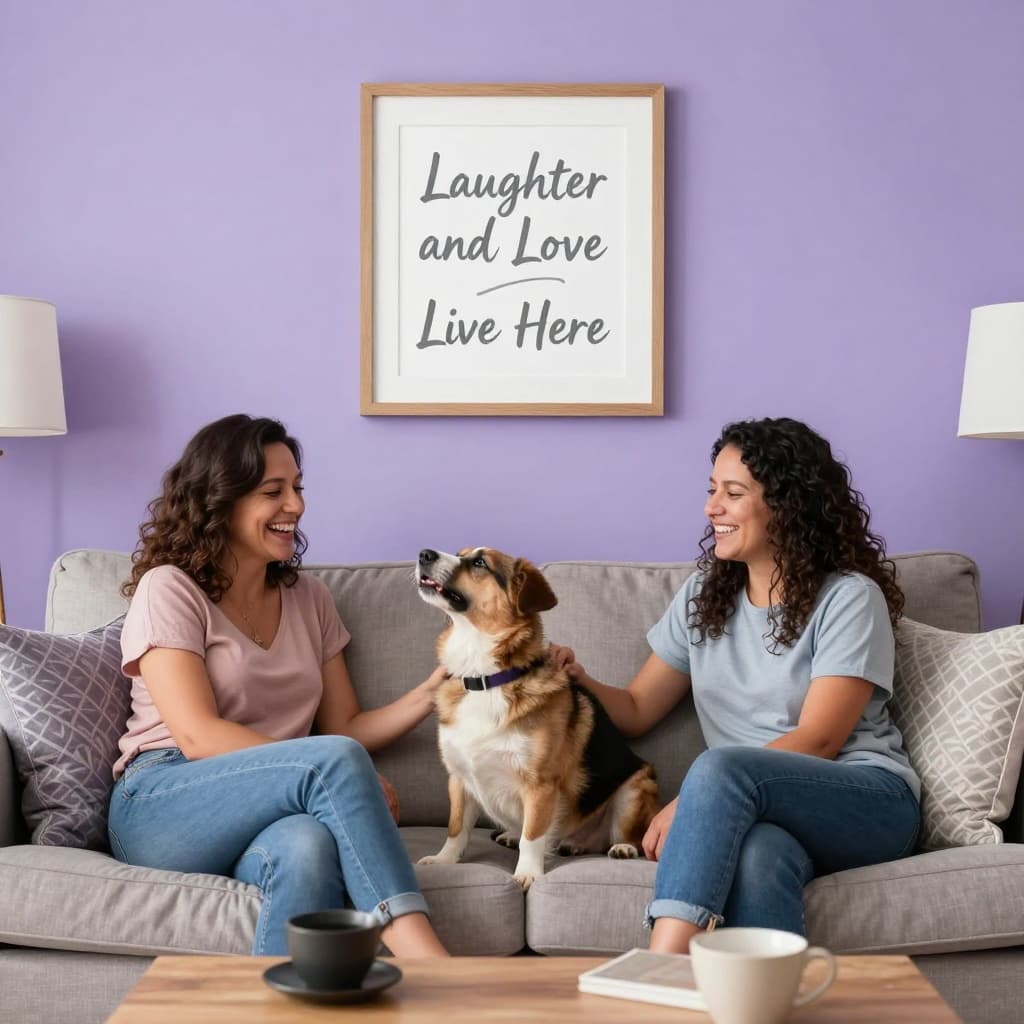
- Kitchen and stove: “This is our loving place of nourishment.”
- Bedroom sanctuary: “Our mind, body, and soul can rest and recharge here.”
- Living room: “Our time to connect, relax, laugh, and spend time together.”
When we see the same visual cues, like a clear nightstand that signals “sleep”, our habits start to follow. It’s not magical—it’s pattern learning.
Secret Tip 2:
Honor What You Love and Release What You Don’t to Create Positive Energy at Home

What does it mean to honor what you love and release what you don’t?
It’s about recognizing that the things we hold onto from our past often carry emotional weight we don’t even realize sometimes.
These aren’t just physical objects. They’re reminders of who we used to be. Past relationships, old versions of ourselves that no longer fit.
And here’s the thing: when we surround ourselves with items tied to outdated memories or past identities, it can quietly hold us back from becoming who we want to be. You know, it’s the best version of you. The one taking control and making things happen.
You deserve a space that reflects your growth, not anchors you to the past. Think of this as a home detox for your emotional well-being.
This isn’t about having a perfectly kept home. It’s about being intentional and mindful with what we choose to keep in our space. Negative energy removal is about letting go of what no longer serves us.
A 2025 study on home clutter and mental well-being found that our surroundings can either support us or wear us down. See Home clutter and mental well-being.
When we release what no longer serves us, we’re not just tidying—we’re making space for better energy flow. Giving ourselves room to breathe, think clearly, and feel lighter when releasing the past.
Think of it as making room to invite new adventures into your life. It’s such a simple way to practice some of the secret tips to create positive energy at home.
Secret Tip 3:
Use Light, Air, and Living Plants to Shift Energy

Now that we’ve focused on intentional spaces with clear entryways and released what no longer serves us.
Another simple way to create positive energy at home, releasing stagnant energy is to bring in more natural light, fresh air, and living greenery.
How Natural Light Shifts the Feel of a Space
Natural light is strongly linked to how we experience our home.
Research on residential daylight design has found connections between natural light and emotions. Things like happiness and calm, (see this paper PDF, Enlightening wellbeing in the home).
Small light upgrades that don’t cost much:
- Open blinds fully for 20 minutes, even on cloudy days.
- Swap one bulb to a warmer or brighter option depending on what you want the room to feel like.
- Place a mirror where it bounces daylight into the room (not into your eyes, of course.)
The Energy of Living Plants Indoors
Living houseplants and flowers bring a sense of vitality into our homes. They’re a simple and beautiful way to use one of the secret tips to create positive energy at home.
They’re growing, changing. Many people find that having greenery around simply feels good. Thriving plants can create a feeling of natural beauty and serve as a reminder that growth is happening all the time.
Many report feeling more grounded and calm when surrounded by greenery. Even if it’s just one small plant on a windowsill.
But, if you’re new to plants, here’s some options that don’t seem to need alot of T.L.C.
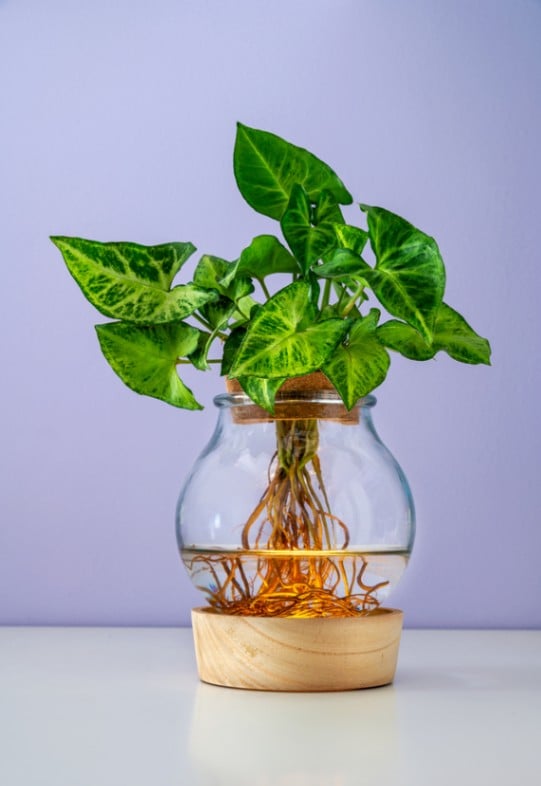


- Pothos: Hard to kill, handles low light well, trails beautifully.
- Snake plant: Handles neglect better than most, looks modern and clean.
- Spider plant: Forgiving, easy to propagate, often suggested for beginners.
Try placing your plants where you’ll see them often—near your workspace, in the bedroom, or by the entry.
Energy Clearing Ways but Without the Smoke Rituals
If you’re wondering how to clear stagnant or negative energy without smoke, here’s a simple method: salt.
Salt bowl: Leave a small bowl of rock salt out for 24 hours to absorb stagnant energy. Then discard it.
Secret Tip 4: Colors, Scents, Sounds, Crystals, and Sacred Spaces
This tip is about the sensory details and subtle influences that surround us. It’s usually what we feel, even when we’re not fully aware of it.
Small shifts in color, scent, sound, and intentional objects all are be parts of influencing mood.
Colors That Support Positive Energy at Home

Color affects how warm or cool a room feels, our attention, and our emotional state. If you want ideas grounded in both tradition and psychology, start small to create positive energy at home. Maybe like one pillow cover, one candle, one piece of art.
A simple color psychology guide to test:
- Soft greens: Calming and restorative, like nature itself. The healing energy of the forest that makes us want to exhale and settle in. Connected to the wood element in Feng Shui’s five elements.
- Warm neutrals: Grounded, cozy, less visual noise.
- Light blues: Calm, clean, good for bedrooms and bathrooms.
- Small pops of yellow: Energy and optimism, best in smaller doses.
Curious to learn more? This helpful book on Decorating with the five elements of Feng Shui is a good place to start.
Another helpful post is about exploring how to use colors to improve mood.
Using Crystals to Shift Room Energy
Whether you’re curious about their traditional uses or simply love them as natural, beautiful objects. Crystals can play a role in how your space feels for you.
People connect with crystals in different ways. Some use them based on ancient traditions, others appreciate them as gorgeous pieces of the earth that add texture and beauty. And others find them helpful as physical reminders of goal focused intentions that hold symbolic meaning.
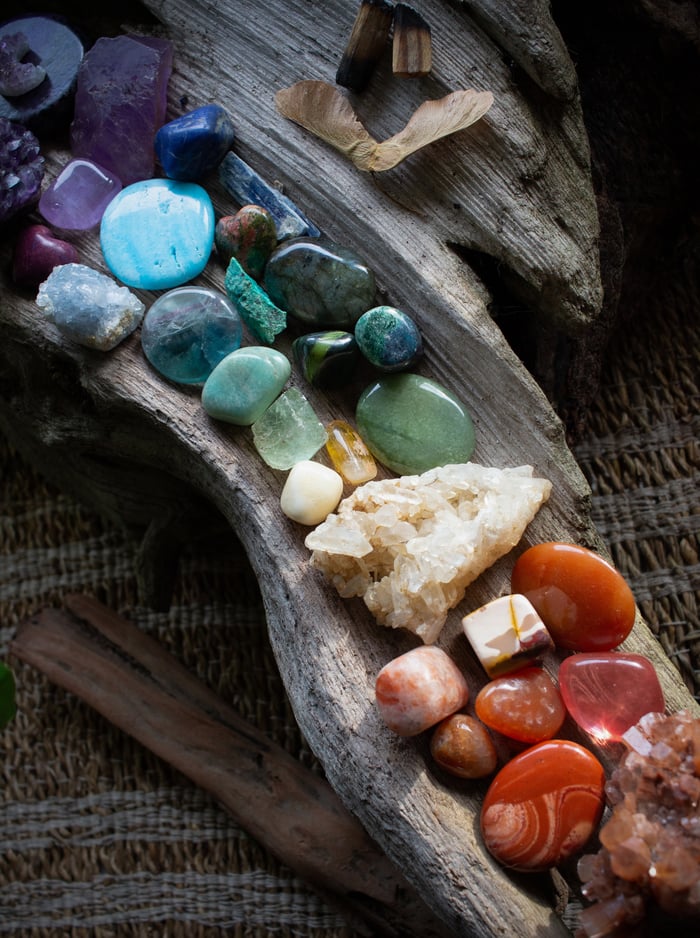
Which crystals are traditionally associated with which rooms:

- Clear quartz: Often called the “master healer” in crystal traditions, versatile and people place it anywhere. Some say it amplifies energy or intentions.
- Here’s a great way to use clear quartz—as a symbolic energy tree for positive intention in your home.
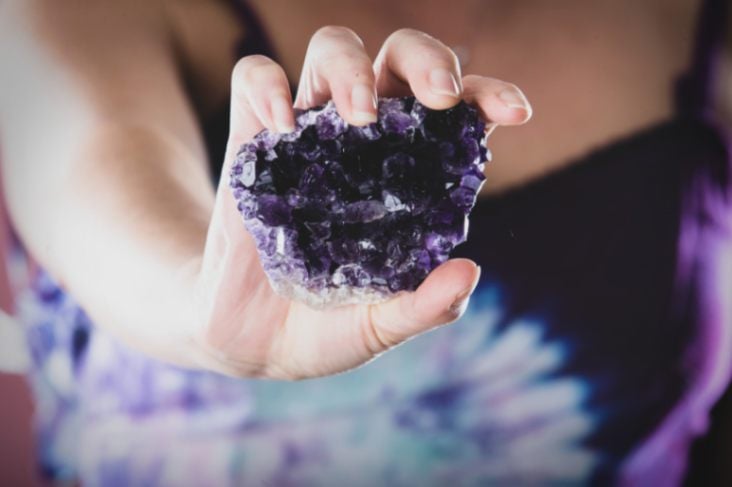
- Amethyst: Traditionally valued for calming energy, many keep it in the bedroom to support rest and peaceful sleep.
- And if you like this idea, here’s a beautiful purple amethyst set that’s a perfect option for the bedroom.
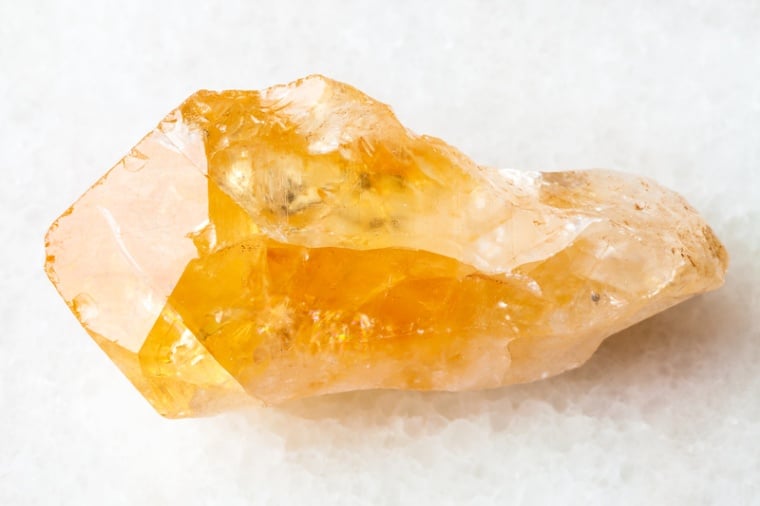
- Citrine: Has a bright, sunny appearance. People often place it in workspaces or kitchens to invite motivation or abundance energy.
- Here’s a stunning ambient light with real natural citrine crystals. Available in 4 different shapes/ A beautiful way to bring that energy into your home.
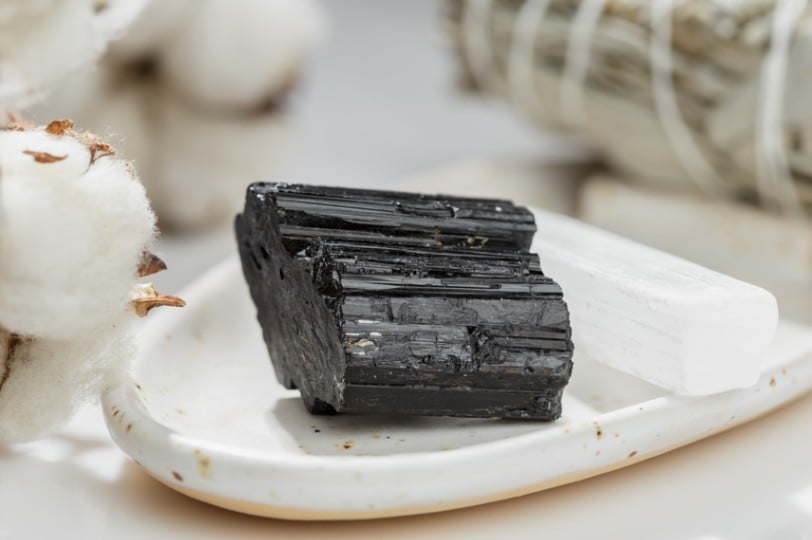
- Black tourmaline: Considered grounding and protective. Some keep this near the front door entrance or by electronic devices for negative energy removal.
- This black tourmaline crystal piece in raw form makes an easy, natural addition.

- Rose quartz: Associated with soft, loving energy. Many find it beautiful in shared spaces, bedrooms, or anywhere you want to nurture compassion and connection.
- A rose quartz tree can be a lovely way to bring that nurturing energy into your space.
How people use them:
- Place them on windowsills where sunlight can reach them (depending on the crystal so it doesn’t fade.)
- Keep smaller stones on your desk, nightstand, or in your pocket as a touchstone throughout the day. Some also use mirror placement nearby to amplify the crystal’s reflective energy.
- Cluster a few together on a tray or shelf to create a little energy corner with other personal mementos.
Cleansing your crystals: Just like our homes, many feel crystals benefit from a refresh now and then.
Common practices include:
- Rinsing them briefly under cool water. But check first, some stones like selenite dissolve in water!
- Setting them outside or on a windowsill during a full moon to refresh their energy.
- Using sound vibrations from a singing bowl or bell to clear them.
- Burying them in salt or earth for a day to reset them.
- Placing them in a salt bath cleansing bowl (dry salt, not water) overnight to absorb any stagnant energy.
Choose crystals that feel right to you. If you’re drawn to a certain color, shape, or stone, trust that.
Scents That Create a Calm, Uplifting Space

Scent is personal. What’s soothing to one person might not work for another. Especially in shared spaces.
Keeping it user-friendly:
- One-note scents (lavender, citrus, vanilla) rather than heavy blends.
- Low-scent options. Run a diffuser for just 10 minutes or less, then switch it off.
Sounds That Bring Peace and Movement

Sound can gently shift how a space feels.
Wind chimes: Many enjoy them for the relaxing sense of movement they bring. The way they sound varies by material. Some have lighter, higher tones, while wooden ones usually create deeper, lower sounds.
Here’s two I thought you might like, so have a look. A lovely decorative metal windchime for lighter tones. Or larger wooden ones for those deeper, soothing sounds.
Water features: A small tabletop fountain creates gentle, natural white noise and brings a sense of nature indoors. Here’s a very popular water fountain.
Sound clearing: Clap once in corners, ring a bell, or play one uplifting song to reset heavy energy.
Creating a Sacred or Personal Space

This is where everything comes together. A sacred space doesn’t have to be large or elaborate. It’s simply a corner or room that’s intentionally yours.
This could be:
- A meditation corner with a cushion, candle, and your favorite crystals.
- A reading nook with soft lighting and plants.
- A small altar with meaningful objects, photos, or natural items.
- A windowsill arranged with stones, a small plant, and items that bring you peace.
The key is intention. This space holds what matters to you and serves as a daily reminder to pause, breathe, and reconnect with yourself.
FAQs on Secret Tips to Create Positive Energy at Home
Do crystals and stones really work, or is it mindset?
Crystals can serve as anchors for the energy we want to bring into any space. In Feng Shui principles and other traditions, people appreciate them as symbolic focus tools. Others for their beautiful natural décor. Gifts from nature, or even the science around their formations. So it’s not all about their “magic.”
Can plants and sunlight really change how we feel at home?
Light and nature have been known to be helpful with supporting mood. Many studies link daylight with well-being.
What if we are sensitive to smells or smoke?
We can skip any of the smoke rituals and use unscented cleaning, ventilation, and sound. Or we can even choose very mild, single-note scents that you love.
Final take on how to create positive energy at home
Creating a home with nicer vibes doesn’t have to be complicated. When we use any of these 4 secret tips to create positive energy at home, we’re really giving our nervous system a more mindful place to land each day for some R & R. (Rest and Rejuvenation,)
So, ready to create your own positive energy sanctuary at home?
Start with just one tip today and notice how your space, and your mood, begins to shift. Enjoy and thank you for being here!
Bonaiuto, M., Bilotta, E., & Stolfa, A. (2010). “FENG SHUI” AND ENVIRONMENTAL PSYCHOLOGY: A CRITICAL COMPARISON. Journal of Architectural and Planning Research, 27(1), 23-34. Retrieved April 18, 2021, from http://www.jstor.org/stable/43030890
Ćurĉić, Aleksandra & Kekovic, Aleksandar & Ranđelović, Dušan & Momcilovic-Petronijevic, Ana. (2019). Effects of color in interior design. Zbornik radova Građevinskog fakulteta. 35. 867-877. 10.14415/konferencijaGFS2019.080.
Lee, M. S., Lee, J., Park, B. J., & Miyazaki, Y. (2015). Interaction with indoor plants may reduce psychological and physiological stress by suppressing autonomic nervous system activity in young adults: a randomized crossover study. Journal of physiological anthropology, 34(1), 21. https://doi.org/10.1186/s40101-015-0060-8
Disclaimer: Our web pages and blog posts provide general information for general purposes only and not to be used for any medical, legal or alternative health advice for any type of physical, mental health or financial concerns.Always speak to your practitioner before embarking on any new alternative treatments. If you have concerns about any medical matters, you should always consult your healthcare provider without delay.We thank you for taking full responsibility for your own health and wellbeing in life. ☺