Originally written on 14th January 2021, updated on 30th July, 2026.
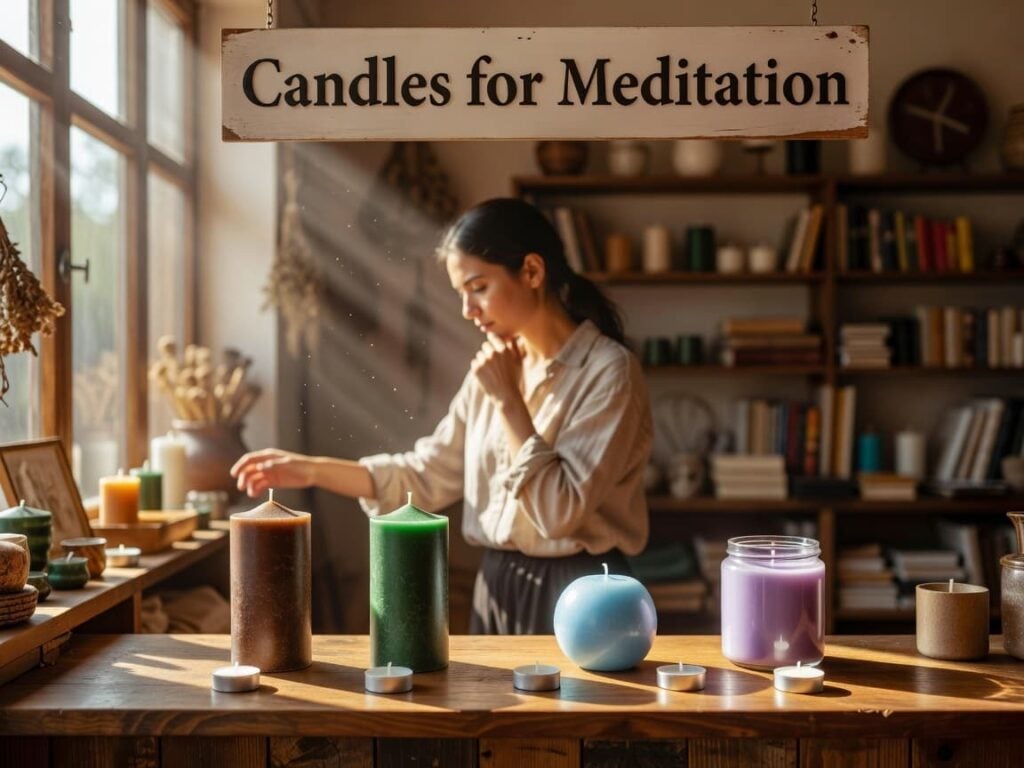
Candles for meditation can do more than set the mood. Light the right one, and the day’s noise starts to fade, creating space for a little more peace and quiet. The best ones share a few things: clean wax, a steady flame, and a lead-free wick.
The scent matters too. When it’s gentle enough, it doesn’t distract your focus from the session. A candle adds a soft, soothing ambiance as you settle into your practice, easing into deeper relaxation.
Think of a candle flame as a small visual cue for the mind. You light it, and begin to settle in. Your meditation space begins to feel a little more separate from the laundry pile, the buzzing phone, or the endless to-do list.
That shift alone helps signal the start of your mindfulness practice. So, how do you choose a candle for meditation?
Look for a clean-burning wax like soy or beeswax, and a cotton or wood wick. A scent that is mild enough, so it doesn’t pull your attention away.
We’ll cover the rest — container, labeling, safety — in more detail as we dive in below.
Key Takeaways
Usually the soy, coconut, and beeswax candles are known to keep the air lighter than the paraffin wax ones.
A mild scent is easier to sit with than a full on fragrance that takes over the whole room.
Unscented candles are great for sensitive noses, shared spaces, and longer sessions.
Clear labeling, a secure container, and a trimmed wick matter more than a brand name itself.
A few safety habits go a long way: solid surface, trimmed wick, good airflow ventilation and never left unattended.
A candle is always optional. Meditation still works without one.
What Makes a Candle Suitable for Meditation?
There are about three things that carry most of the decision. Wax, wick, and container.
Scent, brand, and price sit on top of that foundation, not underneath it.
Wax Types for Meditation Candles
Plant-based waxes are worth seeking out over paraffin wax, a byproduct of petroleum refining. Soy wax is affordable and burns evenly. It also tends to produce less soot than paraffin when burned under similar conditions.
Coconut wax often appears in softer, slower-burning blends.
Beeswax candles have their own following. A natural, honeyed scent and a slow burn draw people to them.
Some associate the wax with releasing negative ions and a sense of relaxation. Though the evidence behind that claim remains limited.
In saying this, no wax is perfect. Compare burn quality and ingredients rather than trusting the front label alone.
Choosing a Wick for a Steady Flame
Cotton and wood wicks both work well when paired with clear care instructions.
Smoke usually comes down to upkeep. For example, a wick left too long produces a bigger flame and more soot than the wax itself ever would.
What a Good Label Can Tell You
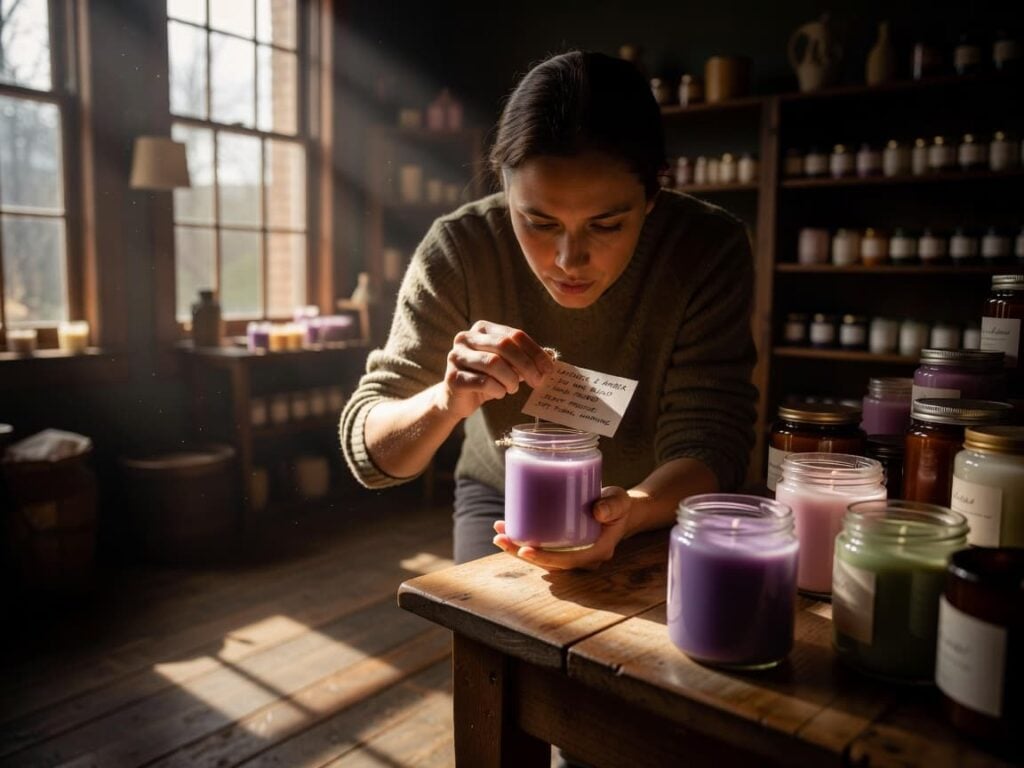
A useful label lists all the ingredients like; burn instructions, wick material, and fragrance details listed plainly.
If the wording feels vague, treat that as your cue to keep looking.
Jar candles tend to sit more steadily than tall tapered ones which can easily tip over. This of course, depends on the candle holder itself and how sturdy the tapered candle sits in there.
Choosing Scents in Candles for Meditation
Scent is personal. What feels grounding to one person can read as a perfume counter to someone else. So it helps to start light if you’re not sure which fragrance is right for you.
Aromatherapy traditions often point to a few familiar names such as:
Lavender for evening practice,
Bergamot for something brighter,
Vanilla for warmth.
These are common starting points, not guarantees of how any one particular scent will land for you.
Here are a few of my favorites have a browse and see what you think:
Essential Oils vs Fragrance Oils

Essential oils are extracted from natural plant materials such as flowers, leaves, bark, roots, or citrus peels. Their aromas can range from light and delicate to very strong and intense. Peppermint, eucalyptus, cinnamon bark, frankincense and clove are all examples of powerful essential oils.
Fragranced oils are created to achieve a specific scent profile. They may contain synthetic aroma compounds, naturally derived ingredients, or a blend of both.
This gives candle makers a much wider range of fragrance options, including scents that can’t be produced from essential oils alone.
Scents such as fresh linen, ocean breeze, birthday cake, or other imaginative fragrances.
Whether you choose an essential oil or a fragrance oil comes down to the fragrances you love. The most important factor is selecting a scent and fragrance strength that you find non-distracting during your meditation session.
It’s also worth remembering that everyone experiences scent differently. Both essential oils and fragrance oils can irritate sensitive noses or trigger headaches in some people. Be mindful of enclosed spaces, when the fragrance is too concentrated.
If you’re trying a new scent, introduce it gradually and test one fragrance at a time in a well-ventilated room before committing to a full meditation session. This approach aligns with guidance from the National Association for Holistic Aromatherapy. They suggest introducing new essential oils slowly and paying attention to how your body responds.
When Unscented May Work Better
An unscented candle keeps your attention on the flame, the breath, or a mantra. With nothing else competing for your space and attention.
It often suits long sessions, smaller rooms, and shared households. If you’re sensitive to fragrance, this is usually the easiest starting point. It’s one less variable to manage while you find your footing.
Scented Ritual & Choosing What Feels Kind to You
A familiar scent can double as a cue. Light it, and your mind starts to merge toward stillness. Just don’t let the fragrance become the loudest thing in the room.
If you’re noticing how strong it’s beginning to smell then your attention isn’t on breathwork any longer, right?
The candle worth choosing is the one is kind to your space and your sessions. It’s not about the most beautiful option on the shelf.
This post covers choosing and using a candle to support meditation. There’s a separate post about are scented candles good for you?
How to Choose & Use a Meditation Candle Safely
Before You Buy: Here’s the quick recap checklist for you.
Wax: plant-based (soy, coconut, beeswax) over paraffin.
Wick: cotton or wood, with clear care instructions.
Container: steady, heat-safe, no wobble. So you can close your eyes when meditating.
Scent: mild or unscented.
Label: clear, non-toxic ingredients, burn instructions, fragrance details.
Burn time: printed, and realistic for the length of your sessions.
Setting Up a Safe, Relaxing Space
Place the candle on a solid, heat-resistant surface within your meditation space.
Keep it clear of curtains, bedding, books, and pets. Position the flame at eye level or slightly below, a few feet from where you’ll sit.
That’s the same basic setup suggested in the National Candle Association’s candle safety guidelines.
Safety Habits During & After Meditation
Always trim the wick to about a quarter inch before lighting. Skip the candle altogether if you’re feeling sleepy, or likely to leave the room mid-session.
Put it out and air the room if the flame smokes, flickers wildly, or bothers your throat.
If you have asthma, a fragrance sensitivity, young children or pets, the American Lung Association points to unscented or flameless candles as an easier option.
Here’s an LED version that offers a similar visual cue, without the real open flame.
A Simple Candle Meditation for Beginners
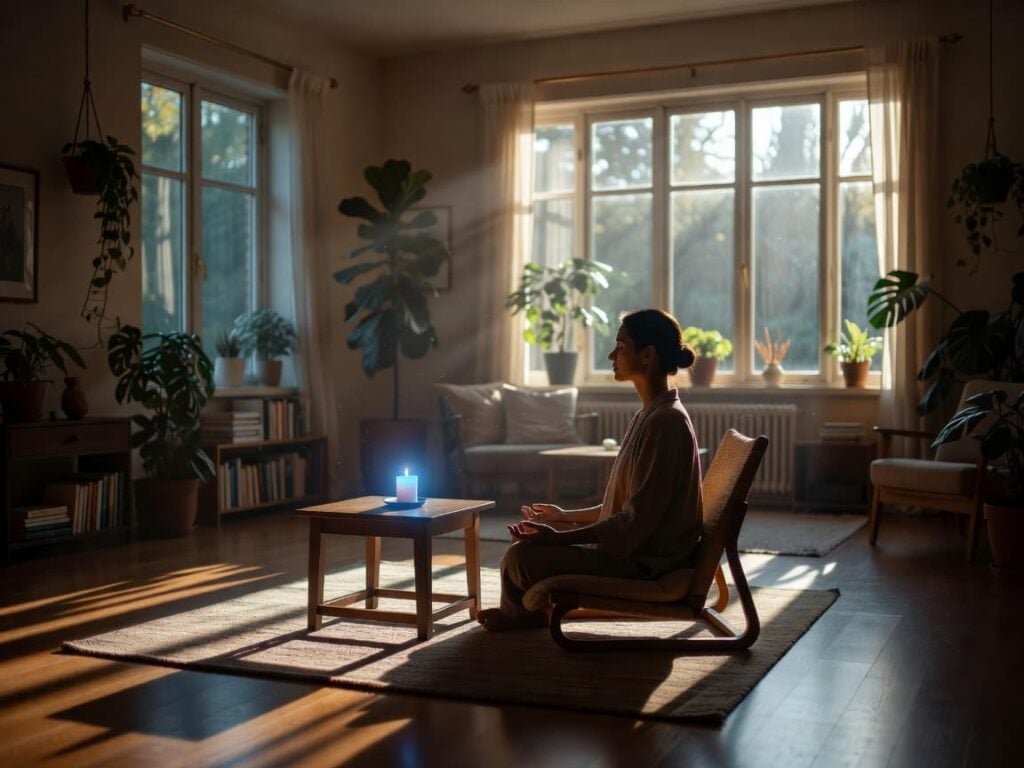
Preparing Your Body and Posture
Set the candle somewhere safe within your meditation space. Sit in a chair or on a meditation cushion, however your body prefers.
Let your hands rest naturally, either on your lap or by your sides.
Step-by-Step Candle Gazing Practice (Trataka-Style)
This practice, often called Trataka, or candle gazing meditation, is a traditional technique for building focus and concentration.
- Start with 3 to 10 minutes if you’re new to it.
- Rest your eyes softly on the flame.
- Breathe naturally, and blink whenever you need to.
- When your mind drifts, bring it back to your mindful breathing or the light itself.
Adjusting the Practice to Your Comfort
Don’t force a stare. Lower your gaze or close your eyes whenever it feels right.
Some describe Trataka as a doorway to a quiet sense of spiritual connection.
There’s no requirement to reach for anything beyond stillness. The candle is an anchor.
Common Candle Mistakes That Can Distract From Meditation
Overpowering Scents and Sensory Overload
A strong fragrance can turn a peaceful sit into a headache fast. Switching to something milder, or going unscented, keeps the room working with your intention-setting instead of against it.
Safety and Comfort Oversights
A few habits undercut the whole point:
- Burning in an unventilated room.
- Sitting too close to the flame.
- An unsteady holder.
- Or a wick left past a quarter inch.
Each one pulls alot of focus on the candle itself, instead of being in the mindful zone of meditation.
What If Candle Gazing Feels Tiring on Your Eyes?
Eye strain is a real reason to change course, not push through. If soft-focus gazing wears on you, try different meditation styles.
For example; deep breathing techniques, a body scan, a mantra, or a guided session instead.
FAQ's on Candles for Meditation
What Is the Best Candle Scent for Meditation?
Lavender, chamomile, sandalwood, bergamot, and vanilla are some of the most common picks. The best scent is the one that feels comfortable for you. Unscented is just as good if you’d rather skip fragrance entirely.
Is Unscented Better for Meditation?
Unscented candles make it easier to stay with the flame, the breathwork, or the quiet.
Unscented candles suit longer sits and shared spaces. Although, certain scented candles can bring a sense of ritual and tradition.
Neither wins outright; it comes down to what you feel more comfortable with during meditation.
Is Soy Wax or Beeswax Better for Meditation?
Neither one is superior on its own. Compare ingredient transparency, wick quality, scent strength, and price.
A well-made soy candle can suit you just as well as beeswax. Or the natural qualities of beeswax might simply appeal to you more.
How Long Should I Burn a Meditation Candle?
Always follow the label, and never leave a burning candle unattended. Stay within the recommended burn time, and avoid burning any candle past four hours at a stretch. Let it cool before relighting.
Is Candle Gazing the Same as Meditation?
No. Candle gazing (also called trataka) is one meditation technique.
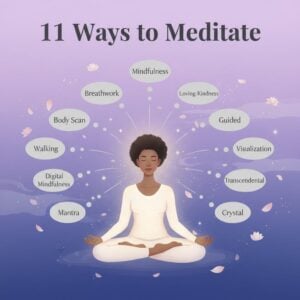
Meditation is a broad practice with many different approaches. These include mindfulness, focusing on the breath, loving-kindness meditation, body scan meditation, mantra meditation, visualization, and candle gazing.
Are Candles Safe to Use During Meditation?
A candle can be a meaningful addition to meditation, but safety comes first.
Always use it on a heat-resistant surface, keep it away from flammable materials, and avoid leaving the flame unattended.
If an open flame is not suitable for your space, an LED flameless candle is a simple alternative. It provides a soft, calming light and can be used safely throughout your practice.
Final thoughts on Candles for Meditation
Choosing candles for meditation doesn’t need to be complicated. It comes down to the basics: a wax that burns well, a stable container, a properly maintained wick.
And of course a scent level, or no scent at all. Something that compliments your sessions.
There’s no single wax, fragrance, or candle brand that will be the perfect choice for everyone. The best candle is the one that supports your practice without distracting you from it.
And if you’re shopping for someone else or yourself, our meditation gifts guide, covers more ideas beyond candles.